

The Hidden Power Within You
Motivation is often described as the driving force behind success, but the truth is deeper than simple inspiration or temporary excitement. Real motivation—the kind that transforms lives—is not found in external rewards, pressure, or quick bursts of energy. It comes from within. This “secret motivation” is rooted in scientifically studied psychological principles that explain why some people stay driven, focused, and resilient while others struggle to maintain consistency.
Modern psychology, especially research based on Self-Determination Theory, reveals that human beings are naturally wired for growth, improvement, and achievement. The real challenge is not finding motivation but unlocking it in a way that is sustainable and deeply meaningful.
Understanding Motivation: More Than Just a Feeling
Motivation is not just an emotion; it is a psychological process that directs behavior toward goals. Researchers divide motivation into two main types: intrinsic and extrinsic.
Intrinsic motivation comes from within. It is driven by interest, enjoyment, and personal satisfaction. People engage in activities because they genuinely want to, not because they are forced to. On the other hand, extrinsic motivation is driven by external rewards such as money, recognition, or avoiding punishment.
Scientific research shows that intrinsic motivation is far more powerful and sustainable. According to Self-Determination Theory, individuals who are internally motivated tend to perform better, feel more satisfied, and experience higher well-being.
This explains why people who love what they do often achieve extraordinary results—they are not chasing rewards; they are driven by purpose.
The Secret Foundation: Self-Determination Theory
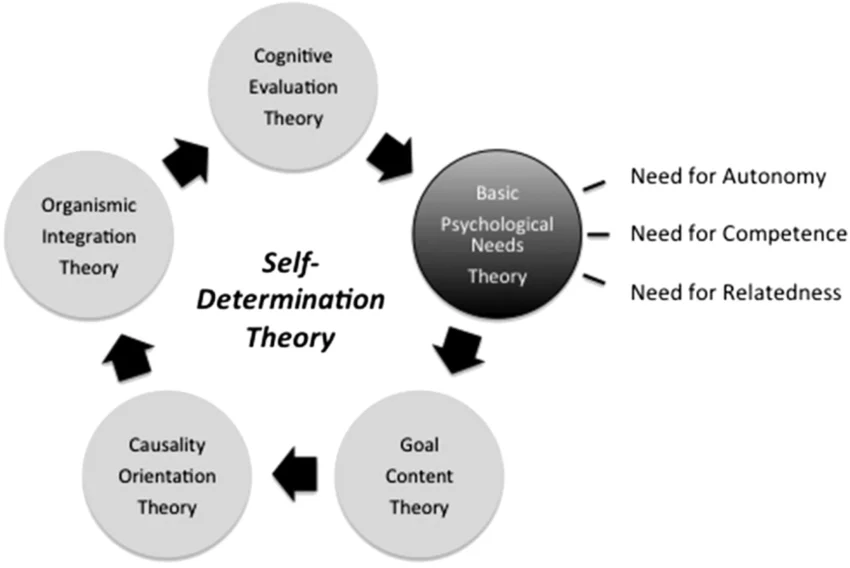
At the core of true motivation lies Self-Determination Theory (SDT), a widely accepted psychological framework developed by Edward Deci and Richard Ryan. This theory explains that human motivation is driven by three fundamental psychological needs: autonomy, competence, and relatedness.
Autonomy refers to the need to feel in control of your own choices and actions. When people feel they are making their own decisions, their motivation increases significantly. Competence is the need to feel capable and effective in what you do. When individuals see progress and improvement, they become more motivated to continue. Relatedness is the need to feel connected to others, to belong, and to be valued.
Research shows that when these three needs are fulfilled, people experience higher levels of motivation, happiness, and personal growth.
This is the true “secret” of motivation—it is not about forcing yourself to work harder, but about creating conditions where your inner drive naturally emerges.
Why External Motivation Fails in the Long Run
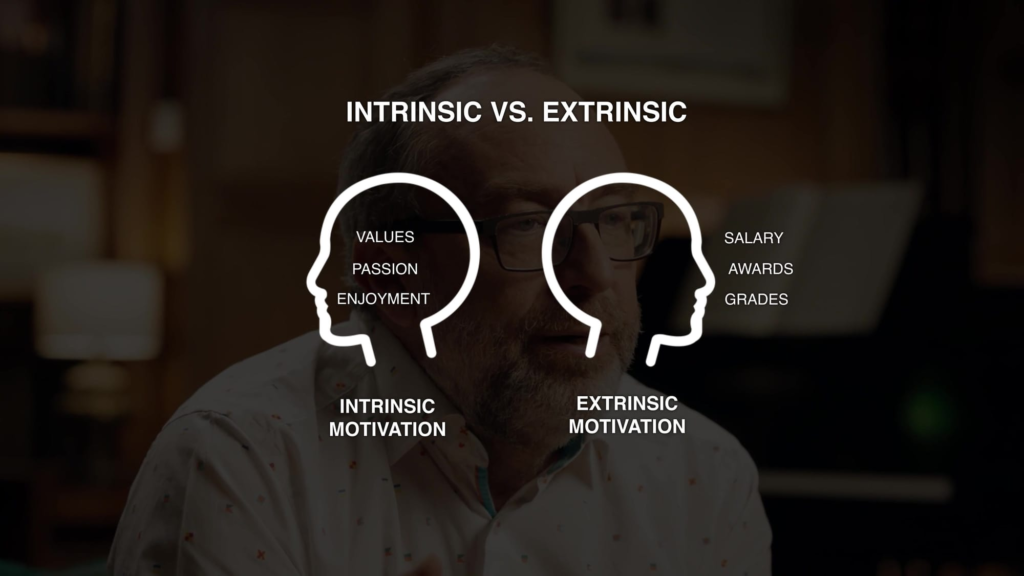
Many people rely on external motivation—rewards, deadlines, pressure, or fear—to push themselves forward. While this can work temporarily, it often fails in the long term.
Studies show that when behavior is driven purely by external rewards, intrinsic motivation can decrease over time. This happens because the focus shifts from enjoyment and purpose to obligation and control.
For example, if someone starts exercising because they enjoy it but later focuses only on external rewards like appearance or validation, their motivation may decline. The activity no longer feels fulfilling—it feels like a task.
This is why many people start strong but lose consistency. They are relying on motivation that is not deeply rooted.
The Power of Intrinsic Motivation
Intrinsic motivation is the most powerful form of motivation because it is self-sustaining. When you are intrinsically motivated, you do not need constant reminders, rewards, or pressure. The activity itself becomes rewarding.
Psychological research highlights that intrinsically motivated behavior leads to greater focus, persistence, and creativity. People are more likely to stay committed and perform at higher levels when they are driven by internal satisfaction rather than external incentives.
This is why individuals who are passionate about their work often go beyond expectations—they are fueled by curiosity, purpose, and personal meaning.
Unlocking Your True Potential Through Autonomy
One of the most powerful ways to unlock motivation is by developing autonomy. When you feel in control of your life, your decisions, and your goals, your motivation naturally increases.
Research shows that autonomy is directly linked to higher engagement and well-being. When people feel forced or controlled, their motivation decreases. But when they feel empowered, they become more committed and proactive.
To build autonomy, it is important to align your goals with your personal values. Instead of doing something because you “have to,” focus on why you “choose to.” This shift in mindset can transform your motivation completely.
Building Competence: The Confidence Factor
Another key to unlocking motivation is competence. People are naturally motivated when they feel capable and see progress.
According to research, feelings of competence increase when individuals face challenges that match their skill level and receive positive feedback.
This means that motivation grows when you:
- Set realistic but challenging goals
- Track your progress
- Celebrate small wins
When you see yourself improving, your confidence increases, and your motivation becomes stronger.
The Role of Connection in Motivation
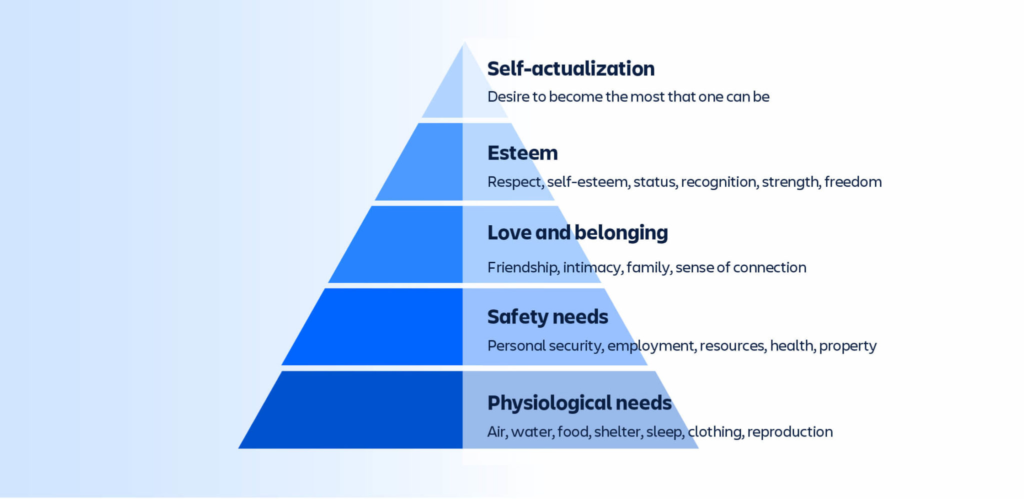
Motivation is not only an individual experience—it is also influenced by relationships. The need for relatedness, or connection with others, plays a crucial role in sustaining motivation.
Research shows that people are more motivated when they feel supported, valued, and connected to others.
This is why communities, mentors, and supportive environments can have such a powerful impact. When you are surrounded by people who encourage and inspire you, your motivation naturally increases.
The Growth Mindset: Fuel for Long-Term Motivation
Another important factor in unlocking your true potential is adopting a growth mindset—the belief that abilities can be developed through effort and learning.
Self-Determination Theory suggests that humans have an inherent desire to grow and improve. This means that challenges are not obstacles; they are opportunities for development.
When you see failure as a learning experience rather than a limitation, your motivation becomes more resilient. Instead of giving up, you keep going because you believe in your ability to improve.
Turning Motivation into Action
Understanding motivation is important, but applying it is what creates real change. To unlock your true potential, you need to transform motivation into consistent action.
This can be achieved by:
- Setting meaningful goals aligned with your values
- Focusing on progress rather than perfection
- Creating an environment that supports autonomy and growth
- Building habits that reinforce positive behavior
Research shows that self-determined individuals take responsibility for their actions and are more likely to persist even in difficult situations.
Consistency, not intensity, is the key to long-term success.
The Emotional Side of Motivation
Motivation is not just logical—it is deeply emotional. Feelings such as purpose, passion, and fulfillment play a major role in sustaining motivation.
When people engage in activities that align with their identity and values, they experience a sense of meaning. This emotional connection strengthens their commitment and persistence.
At the same time, negative emotions like fear and doubt can reduce motivation. However, when managed properly, even these emotions can become sources of growth.
The key is to channel emotions in a way that supports your goals rather than holding you back.
The Truth About Motivation and Success
One of the biggest myths about motivation is that it comes and goes randomly. In reality, motivation is influenced by specific psychological factors that can be understood and developed.
Research clearly shows that people are not passive beings reacting to rewards and punishments—they are active agents striving for growth, autonomy, and connection.
This means that motivation is not something you wait for—it is something you create.
Conclusion
The secret to unlocking your true potential is not hidden in shortcuts, hacks, or temporary inspiration. It lies in understanding how motivation really works.
By focusing on intrinsic motivation, fulfilling your psychological needs, and creating an environment that supports growth, you can build a powerful and lasting drive.
The science is clear: when you feel in control of your life, believe in your abilities, and stay connected to others, your motivation becomes unstoppable.
FAQs
1. What is the secret motivation to unlock true potential?
The secret motivation lies in intrinsic drive—doing things with purpose, passion, and personal meaning rather than external rewards. Research in psychology shows that internal motivation leads to stronger performance and long-term success.
2. Why does motivation feel powerful at times and disappear later?
Motivation often fades when it relies only on external factors like rewards or pressure. Sustainable motivation comes from internal satisfaction, clear goals, and a sense of control over your actions.
3. How can I build unstoppable inner motivation daily?
You can build strong motivation by setting meaningful goals, tracking progress, maintaining consistency, and focusing on personal growth rather than perfection.
4. What are the most powerful ways to stay motivated?
The most effective methods include developing a growth mindset, building discipline, creating positive habits, and surrounding yourself with supportive people.
5. Can emotional motivation really transform your life?
Yes, emotional motivation connected to purpose and passion can drive long-term change. When you feel deeply connected to your goals, you are more likely to stay committed and overcome challenges.

Lost Today, Powerful Tomorrow: Find Purpose
The Silent Chaos: When Life Feels Directionless Feeling lost in life is often misunderstood as…

Rise and Shine: Build a Powerful Routine
Why Your Morning Matters The way you begin your morning plays a crucial role in…

Healthy Eating Made Easy: Simple Daily Habits
Healthy eating is one of the most important foundations of a good lifestyle. It is…

The New Internet Era: What You Need to Know Today
A New Phase of the Internet The internet is no longer what it used to…

Trending Now: Startup Stories Everyone Is Talking About
Why Startup Stories Are Trending Startup stories today are not just business news—they are becoming…

The Rise of New Music Icons
A New Era of Music Icons The music industry is evolving faster than ever before….