
Healthy eating is one of the most important foundations of a good lifestyle. It is not about strict dieting or avoiding your favorite foods. Instead, it is about building simple daily habits that improve your overall health.
According to the World Health Organization, a healthy diet helps protect against diseases such as heart disease, diabetes, and cancer.
This shows that what you eat every day directly affects your long-term health and well-being.
Understanding What Healthy Eating Means
Healthy eating begins with balance. The human body requires a combination of nutrients, including carbohydrates, proteins, fats, vitamins, and minerals, to function properly. Each of these nutrients plays a specific role in maintaining energy levels, supporting growth, and protecting the body from illness.
A balanced diet includes a variety of food groups such as fruits, vegetables, whole grains, and protein sources. These foods provide essential nutrients that the body cannot produce on its own. Research from organizations like the CDC highlights that nutrient-dense foods are especially important because they deliver high levels of vitamins and minerals without excessive calories.
Instead of focusing on restrictions, healthy eating focuses on inclusion—adding more nutritious foods into daily meals while gradually reducing less beneficial ones.
One of the most important habits is eating a wide range of foods. No single food contains all the nutrients your body needs.
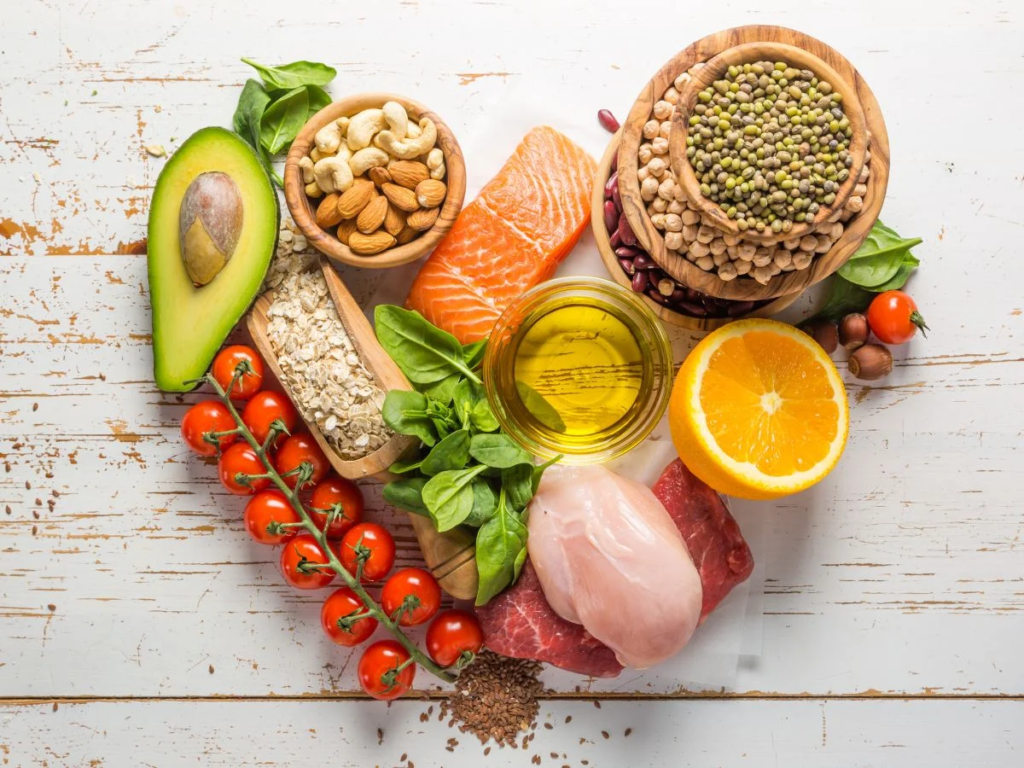
A healthy diet should include cereals, fruits, vegetables, legumes, and animal or plant-based protein sources.
Variety ensures that your body gets all essential nutrients and reduces the risk of deficiencies.
The Importance of Variety in Daily Diet
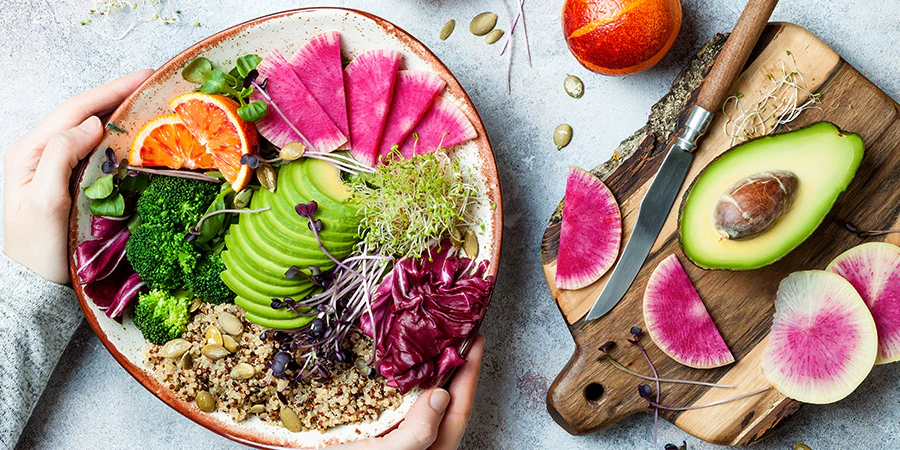
One of the simplest ways to improve your diet is by increasing variety. No single food can provide all the nutrients the body needs, which is why eating a wide range of foods is essential.
A diverse diet ensures that the body receives different vitamins, minerals, and antioxidants. Fruits and vegetables, for example, offer unique health benefits depending on their color and type. Green leafy vegetables are rich in iron and calcium, while orange and red fruits provide important antioxidants like beta-carotene.
Variety also prevents diet fatigue. Eating different foods regularly keeps meals interesting and encourages long-term consistency, which is a key factor in maintaining healthy habits.
A colorful plate is a simple way to improve your diet. Different colored fruits and vegetables provide different nutrients.
For example, leafy greens, tomatoes, and carrots are rich in vitamins, fiber, and minerals.
Adding more colors to your meals naturally increases nutritional value without complicated planning.
The Role of Fruits and Vegetables
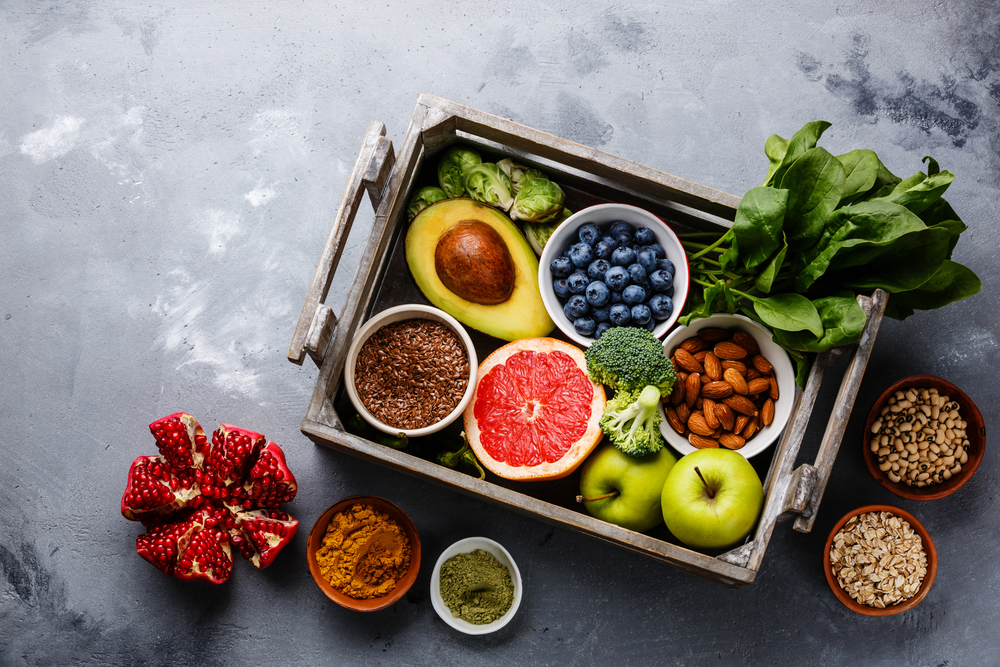
Fruits and vegetables are a cornerstone of healthy eating. They are rich in fiber, vitamins, and antioxidants that support digestion, immunity, and overall health. Health organizations recommend consuming at least five portions of fruits and vegetables per day to reduce the risk of chronic diseases.
Regular intake of these foods has been linked to lower risks of heart disease and certain cancers. Fiber from fruits and vegetables also helps regulate digestion and maintain a healthy weight by promoting a feeling of fullness.
Incorporating fruits and vegetables into daily meals does not require major changes. Simple steps such as adding a fruit to breakfast or including vegetables in every meal can significantly improve nutritional intake.
Choose Whole Foods Over Processed Foods

Modern diets often include a high amount of processed foods, which are typically rich in added sugars, unhealthy fats, and excess salt. While these foods are convenient, frequent consumption can negatively impact health.
Processed foods are often calorie-dense but low in essential nutrients. Over time, this imbalance can lead to weight gain and increase the risk of lifestyle-related diseases.
Replacing processed foods with whole or minimally processed options is one of the most effective ways to improve diet quality. Whole foods such as grains, nuts, fruits, and vegetables provide better nutrition and support long-term health.
Limit Sugar Intake

High sugar consumption is linked to obesity, diabetes, and heart disease.
The World Health Organization recommends limiting sugar intake to less than 10% of total energy intake, and even lower for added health benefits.
Simple steps like avoiding sugary drinks and choosing natural foods can make a big difference.
Excess sugar consumption is a major concern in modern diets. High intake of added sugars has been linked to obesity, type 2 diabetes, and heart disease. Health guidelines recommend limiting sugar intake to a small percentage of total daily energy consumption.
Similarly, high salt intake is associated with increased blood pressure and a higher risk of cardiovascular diseases. Many processed foods contain hidden salt, making it important to read labels and choose fresh ingredients whenever possible.
Reducing sugar and salt does not mean sacrificing taste. Natural flavors, herbs, and spices can enhance meals while keeping them healthy.
Reduce Salt Consumption

Excess salt intake can increase the risk of high blood pressure, heart attack, and stroke.
Health guidelines suggest limiting salt intake to less than 5 grams per day.
Reducing processed foods and cooking more meals at home can help control salt intake.
Include Healthy Fats
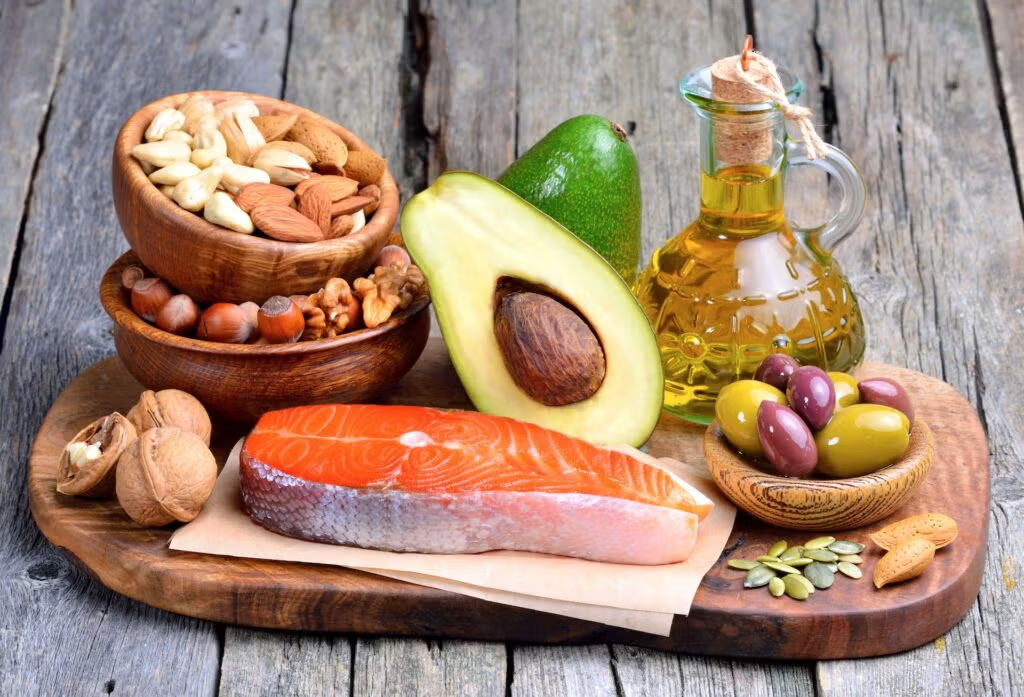
Fats are essential for the body, but the type of fat matters.
Healthy fats, such as those found in nuts, seeds, and fish, support brain function and nutrient absorption.
At the same time, unhealthy fats like trans fats should be avoided as much as possible.
Fats are often misunderstood, but they are an essential part of a balanced diet. Healthy fats support brain function, help absorb vitamins, and provide long-lasting energy.
Sources of healthy fats include nuts, seeds, fish, and plant-based oils. These fats are beneficial when consumed in moderation and can contribute to heart health.
On the other hand, trans fats and excessive saturated fats should be limited, as they are linked to increased health risks. Choosing the right type of fat is more important than eliminating fat entirely.
Portion Control and Mindful Eating
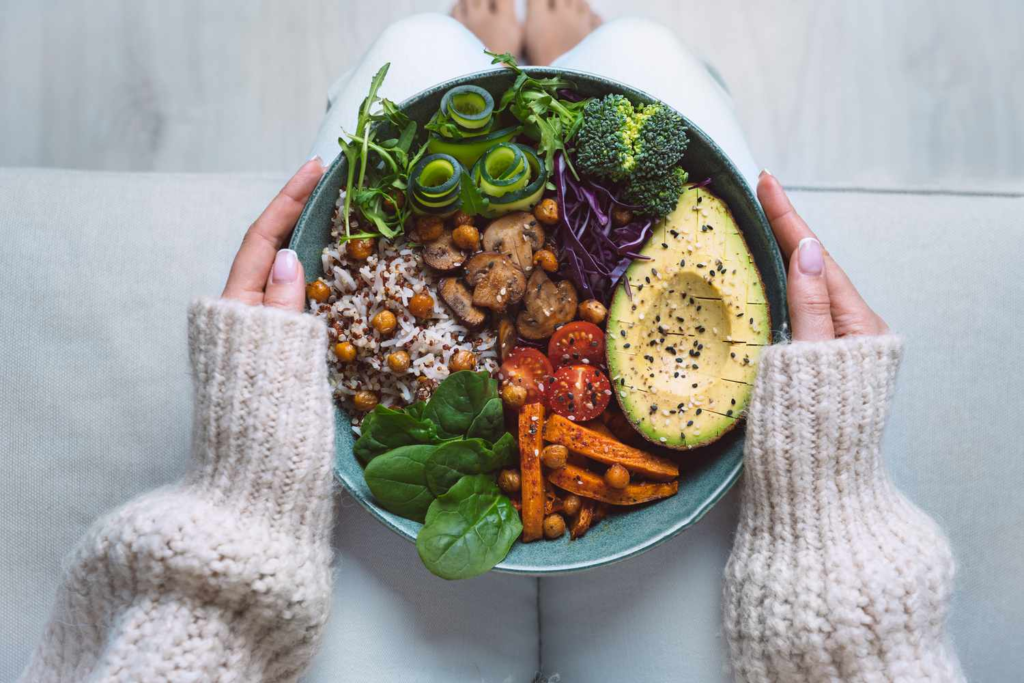
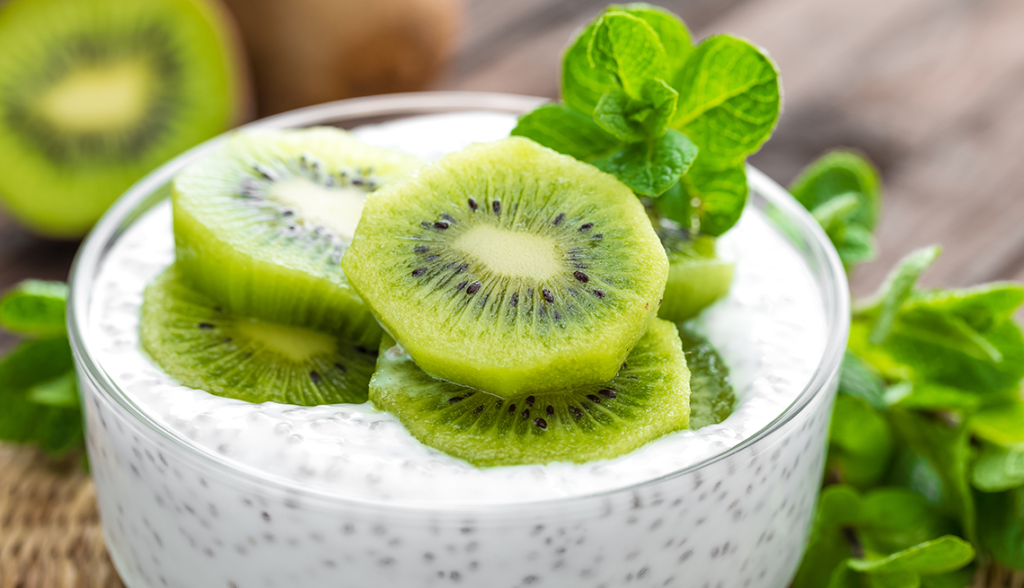
Healthy eating is not only about food choices but also about portion sizes. Eating large portions, even of healthy foods, can lead to excessive calorie intake.
Mindful eating encourages awareness of hunger and fullness signals. It involves eating slowly, paying attention to food, and avoiding distractions during meals.
This approach helps prevent overeating and promotes a healthier relationship with food. It also allows individuals to enjoy meals more fully while making better dietary decisions.
Building Sustainable Eating Habits
One of the biggest challenges in healthy eating is maintaining consistency. Short-term diets often fail because they are difficult to sustain.
Sustainable habits are built gradually. Small changes, such as adding more vegetables to meals or reducing sugary drinks, can lead to lasting improvements over time.
Consistency is more important than perfection. Occasional indulgences are part of a balanced lifestyle, and maintaining flexibility helps prevent burnout.
The Link Between Diet and Mental Well-Being

Healthy eating not only benefits physical health but also plays a role in mental well-being. Research suggests that a balanced diet can support brain function and improve mood.
Nutrients such as omega-3 fatty acids, vitamins, and minerals contribute to cognitive health. Poor dietary habits, on the other hand, may be linked to fatigue and reduced concentration.
This connection highlights the importance of viewing food as fuel for both the body and the mind.
Adapting Healthy Eating to Modern Life
In today’s fast-paced world, maintaining a healthy diet requires practical strategies. Meal planning, home cooking, and mindful grocery shopping can help individuals make better choices.
Even small adjustments, such as preparing meals in advance or choosing healthier snacks, can make a significant difference. Technology and awareness have also made it easier to access nutritional information and make informed decisions.
Healthy eating can be easily included in daily routines.
FAQs

Lost Today, Powerful Tomorrow: Find Purpose
The Silent Chaos: When Life Feels Directionless Feeling lost in life is often misunderstood as…

Rise and Shine: Build a Powerful Routine
Why Your Morning Matters The way you begin your morning plays a crucial role in…
Healthy Eating Made Easy: Simple Daily Habits
Healthy eating is one of the most important foundations of a good lifestyle. It is…

The New Internet Era: What You Need to Know Today
A New Phase of the Internet The internet is no longer what it used to…

Trending Now: Startup Stories Everyone Is Talking About
Why Startup Stories Are Trending Startup stories today are not just business news—they are becoming…

The Rise of New Music Icons
A New Era of Music Icons The music industry is evolving faster than ever before….