
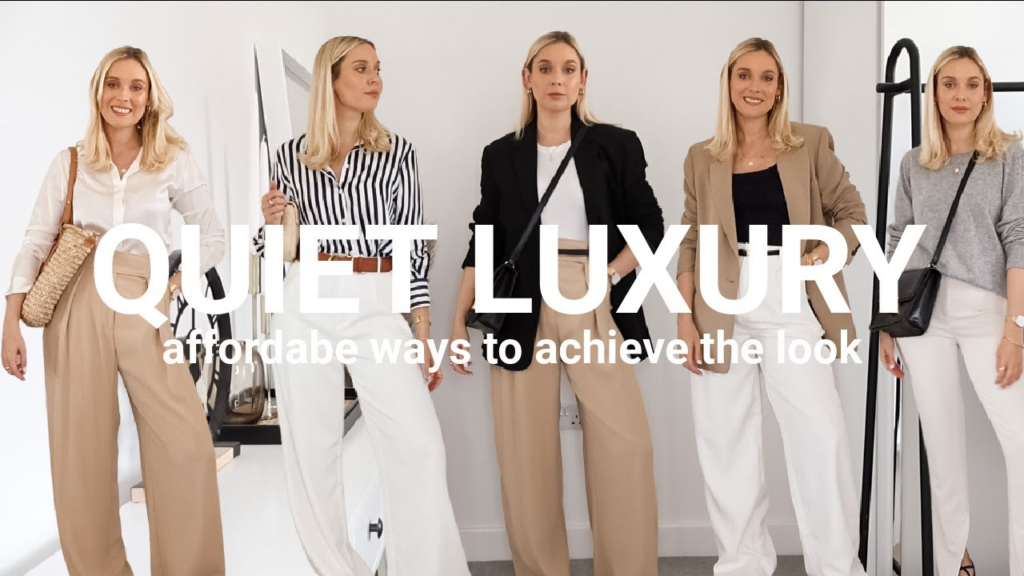
The Rise of Quiet Luxury
In today’s fashion landscape, trends are no longer just about standing out—they are increasingly about standing apart quietly. The concept of “quiet luxury” has emerged as one of the most defining fashion movements of recent years. Unlike logo-heavy or attention-seeking styles, quiet luxury focuses on subtle elegance, quality craftsmanship, and timeless appeal.
This shift reflects a deeper cultural change. Consumers are moving away from fast fashion and visible branding toward intentional choices that prioritize durability, authenticity, and personal identity.
“Trendy fits that scream quiet luxury” may sound like a contradiction, but it perfectly captures modern fashion: outfits that feel current and stylish, yet refined, understated, and deeply sophisticated.
What Quiet Luxury Really Means
Quiet luxury is often described as “stealth wealth”—a style that communicates sophistication without obvious signals. It is defined by minimalist silhouettes, premium fabrics, and impeccable tailoring rather than logos or flashy designs.
At its core, this aesthetic is about investing in pieces that last. Think of a perfectly tailored blazer, a soft cashmere sweater, or a structured leather bag. These items do not rely on branding to feel luxurious—they speak through quality and craftsmanship.
Fashion experts emphasize that quiet luxury is not just an aesthetic but a mindset. It represents a shift from showing wealth to understanding value.
Why Quiet Luxury Is Trending Now
Second, sustainability plays a major role. Minimalist consumption—buying fewer but higher-quality items—is linked to reduced environmental impact and greater long-term satisfaction.
Third, cultural shifts have redefined what status looks like. Instead of loud branding, modern luxury is about subtlety, knowledge, and personal taste.
The popularity of quiet luxury is not accidental. It is driven by several real-world factors shaping consumer behavior.
First, there is growing fatigue with fast fashion and micro-trends. Constantly changing styles have led many consumers to seek simplicity and consistency in their wardrobes.
The Core Elements of Quiet Luxury Fits
Quiet luxury outfits may look simple, but they are carefully constructed. Every detail matters.
One of the most defining elements is fabric quality. Materials like cashmere, silk, wool, and linen are preferred because they feel luxurious and last longer.
Another key aspect is neutral color palettes. Shades like beige, white, black, navy, and soft earth tones dominate quiet luxury wardrobes because they are versatile and timeless.
Tailoring and fit also play a crucial role. Clothes are designed to fit perfectly, creating a polished and refined appearance without effort.
Finally, minimal or no branding defines the aesthetic. The absence of logos allows the design and craftsmanship to take center stage.
Together, these elements create outfits that feel elevated without being loud.
Trendy Fits That Define Quiet Luxury
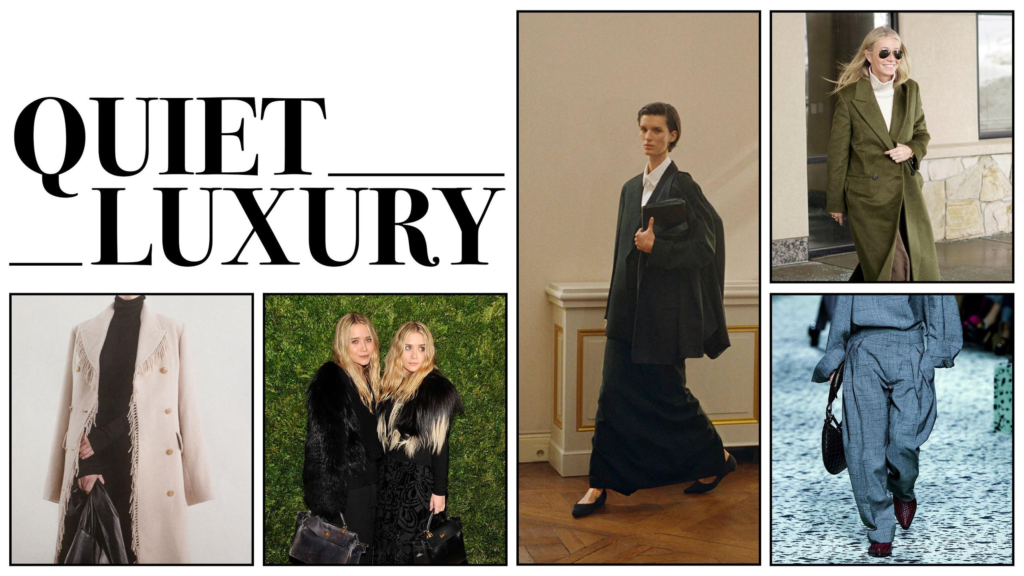
Quiet luxury does not reject trends—it reinterprets them in a subtle way. Modern “fits” that embody this aesthetic combine current styling with timeless principles.
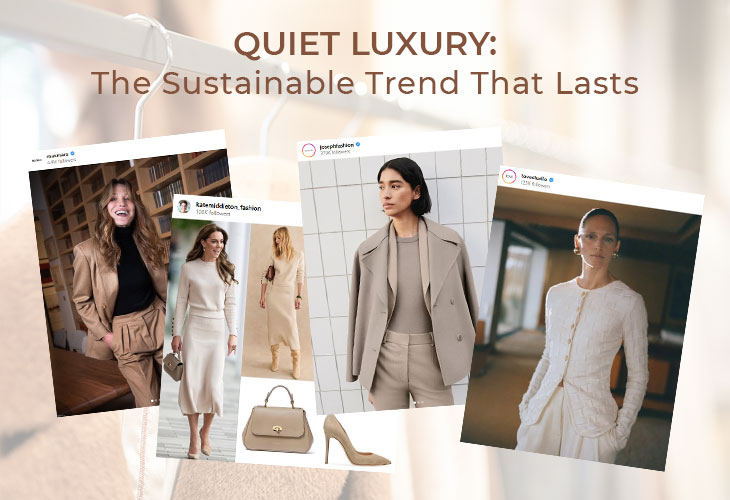
One popular example is soft tailoring. Instead of rigid suits, designers are embracing relaxed blazers and flowing trousers that feel both elegant and comfortable.
Another defining look is layered minimalism. Lightweight knits, structured coats, and clean silhouettes create depth without complexity. This approach adds sophistication while maintaining simplicity.
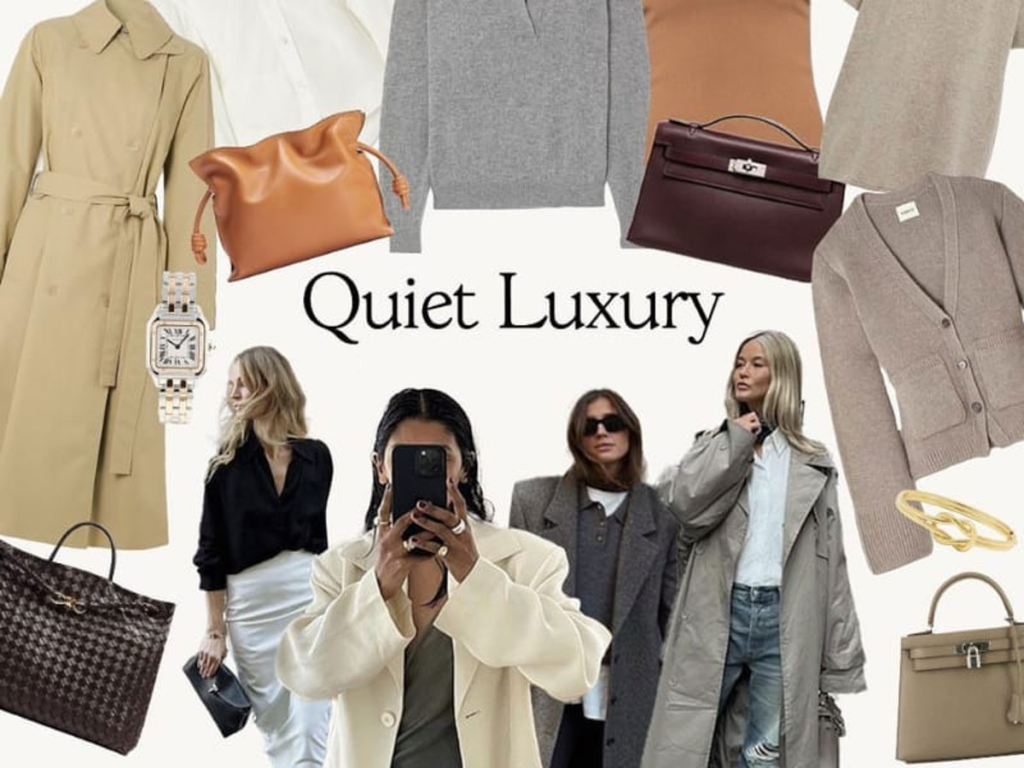
Accessories also play a key role. Structured handbags with clean lines, often in classic shapes, have become staples of quiet luxury style. These pieces are versatile and elevate any outfit without dominating it.
Even casual wear reflects this trend. A simple white shirt paired with tailored trousers or a monochrome outfit in neutral tones can embody quiet luxury when executed with quality and precision.
The Emotional Appeal of Quiet Luxury
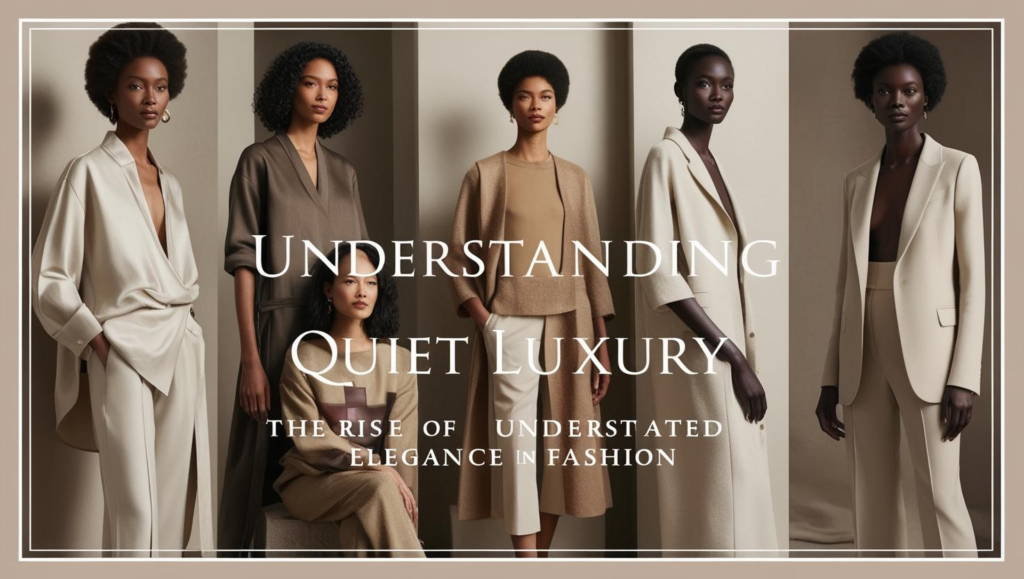
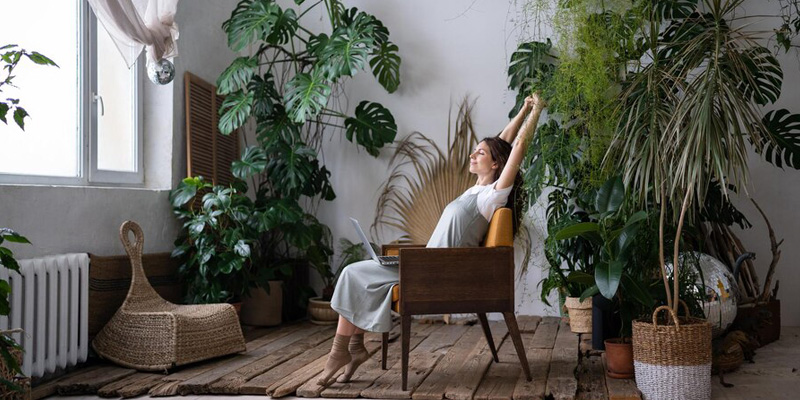
Beyond aesthetics, quiet luxury carries a strong emotional dimension. It represents calm, control, and confidence in a world that often feels chaotic.
Minimalist fashion has been shown to create a sense of clarity and mental ease. Clean lines and neutral tones reduce visual clutter, making outfits feel more intentional and composed.
There is also a sense of empowerment in choosing quality over quantity. Instead of chasing trends, individuals build wardrobes that reflect their identity and values.
This emotional connection is one of the reasons quiet luxury is more than a passing trend—it is becoming a lifestyle.
Quiet Luxury vs. Loud Fashion
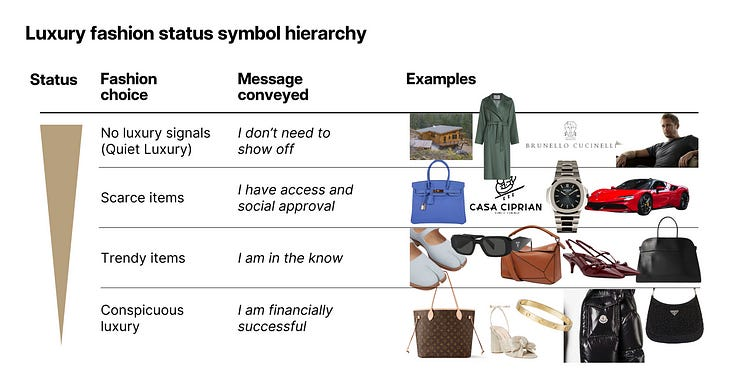
To fully understand quiet luxury, it helps to compare it with traditional “loud” fashion.
To fully understand quiet luxury, it helps to compare it with traditional “loud” fashion.
While loud fashion seeks visibility, quiet luxury values discretion. It is less about being noticed and more about being understood.
c
Building a Quiet Luxury Wardrobe
Creating trendy fits that reflect quiet luxury does not require an expensive wardrobe. Instead, it requires intentional choices.
The first step is focusing on fewer, high-quality pieces. Investing in well-made essentials ensures longevity and versatility.
Next is choosing timeless designs over fast trends. Classic silhouettes remain relevant across seasons, making them more sustainable.
Attention to fit and tailoring is equally important. Even simple outfits can look luxurious when they fit perfectly.
Finally, adopting a minimalist mindset helps in curating a wardrobe that feels cohesive and purposeful.
The Future of Quiet Luxury
Quiet luxury is not just a temporary trend—it reflects a long-term shift in how people approach fashion. As consumers become more conscious of sustainability, quality, and personal expression, this aesthetic is likely to continue evolving.
Recent fashion movements suggest that quiet luxury is becoming more personalized. Instead of strict minimalism, individuals are adding subtle elements of individuality, blending simplicity with personal expression.
This evolution indicates that quiet luxury will not remain static. It will adapt to changing tastes while maintaining its core principles of quality, subtlety, and intention.
Lost Today, Powerful Tomorrow: Find Purpose
The Silent Chaos: When Life Feels Directionless Feeling lost in life is often misunderstood as…
Rise and Shine: Build a Powerful Routine
Why Your Morning Matters The way you begin your morning plays a crucial role in…

Healthy Eating Made Easy: Simple Daily Habits
Healthy eating is one of the most important foundations of a good lifestyle. It is…

The New Internet Era: What You Need to Know Today
A New Phase of the Internet The internet is no longer what it used to…

Trending Now: Startup Stories Everyone Is Talking About
Why Startup Stories Are Trending Startup stories today are not just business news—they are becoming…

The Rise of New Music Icons
A New Era of Music Icons The music industry is evolving faster than ever before….