A New Era of Music Icons
The music industry is evolving faster than ever before. What once required record labels, radio play, and years of exposure can now happen in months—or even days. Today, new music icons are not just created by traditional systems but by digital platforms, global audiences, and viral moments.
This shift is backed by strong data. Global music streaming has exploded, with over 5 trillion streams recorded in 2025, reflecting massive audience engagement worldwide.
This rapid growth shows that music consumption is not only increasing but also changing how artists rise to fame.
Streaming: The Foundation of New Stardom
Streaming platforms have completely transformed how artists become popular. Services like Spotify, Apple Music, and others allow musicians to reach global audiences instantly without needing traditional gatekeepers.
The scale of streaming is enormous. Global audio streams reached 4.8 trillion in 2024, with continued growth driven by millions of daily uploads.
This means artists no longer depend on a few industry decision-makers. Instead, listeners themselves decide which songs become hits.
Streaming platforms also generate massive revenue. In 2025 alone, Spotify paid over $11 billion to the music industry, showing how digital platforms now power artist earnings.
This financial ecosystem supports both established stars and emerging artists.
The Explosion of Independent Artists
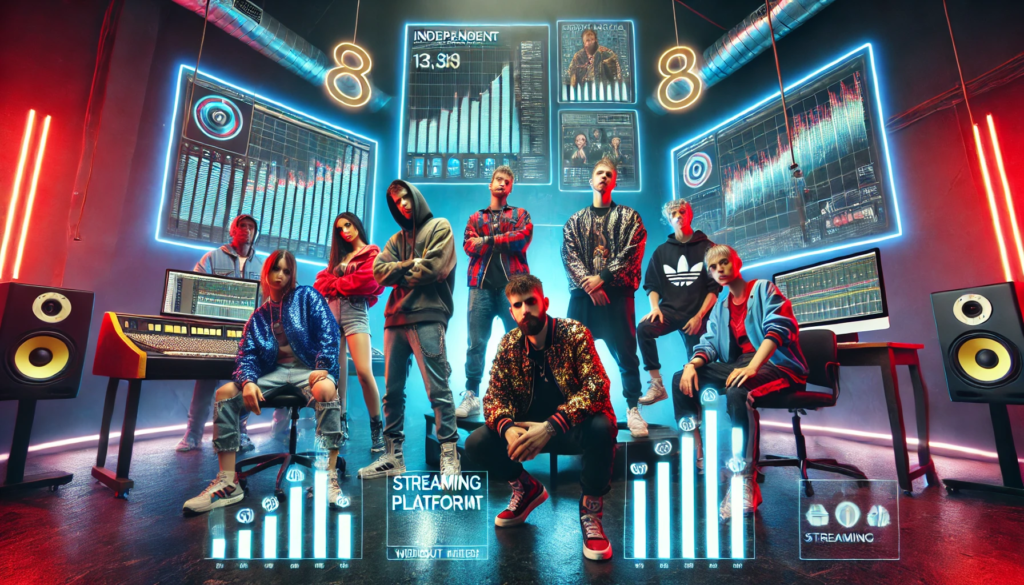
One of the biggest changes in the music industry is the rise of independent artists. Today, musicians can create, distribute, and promote their music without major labels.
More than 50% of global music streams now come from independent or unsigned artists, marking a major shift in the industry.
This shows that success is no longer limited to those backed by large companies.
Independent artists also benefit financially. Reports indicate that independent music revenues have grown significantly, reaching billions of dollars globally.
This growth proves that new music icons are increasingly self-made.
Social Media: The New Stage
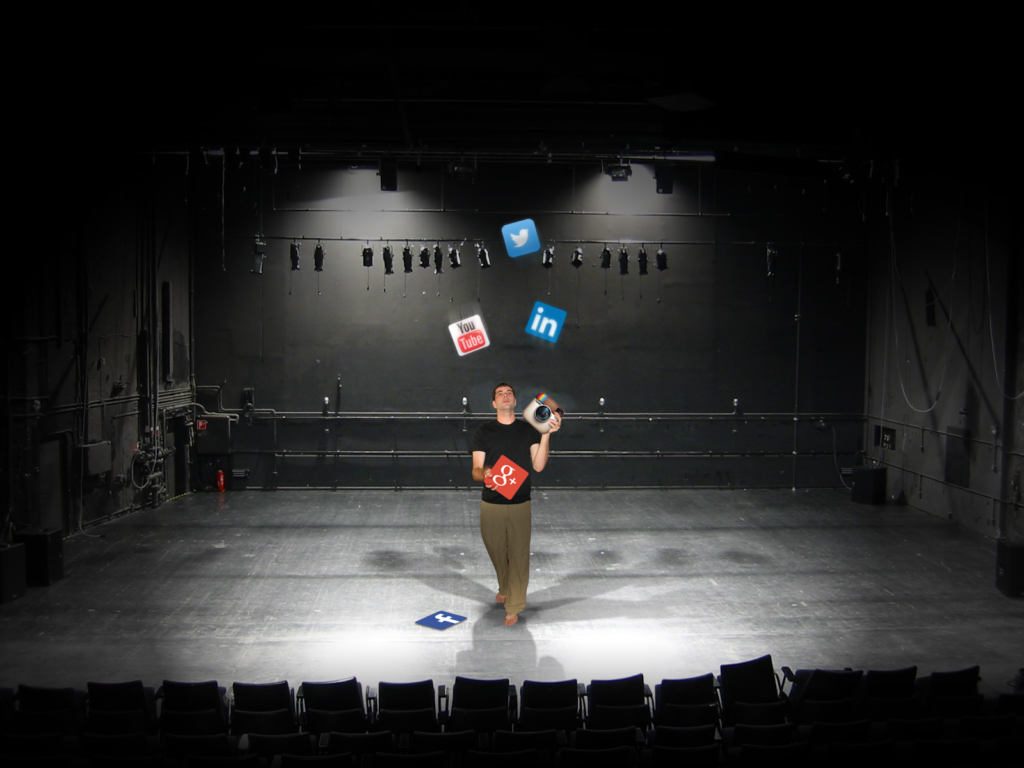
Social media platforms have become one of the most powerful tools for discovering new artists. Platforms like short-video apps and content-sharing networks allow songs to go viral within hours.
Many modern hits gain popularity not through radio or albums, but through trends, challenges, and user-generated content. This creates a direct connection between artists and listeners.
Research shows that 65% of music consumers discover new artists through social media or digital platforms rather than traditional media.
This shift has made social media the new launchpad for music careers.
Globalization of Music
Music is no longer limited by language or geography. Today’s listeners explore songs from different cultures, leading to the rise of global music icons.
Genres like K-pop, Latin music, and regional styles have gained international popularity. Data shows that non-traditional genres are among the fastest-growing globally.
This means artists from any part of the world can achieve global recognition.
In countries like India, digital streaming has significantly boosted artist reach. Indian artists have seen international streams increase by over 2000% in recent years, showing global demand for diverse music.
This global reach is redefining what it means to be a music icon.
The Role of Technology and AI

Technology is playing a major role in shaping new music icons. Artificial intelligence is now used in music production, marketing, and audience analysis.
Artists use AI tools to create, edit, and promote their music more efficiently. This allows even small creators to compete with larger productions.
AI is also influencing music discovery. Algorithms recommend songs based on user preferences, helping new artists reach the right audience quickly.
Recent developments even show AI-generated artists entering mainstream charts, highlighting how technology is changing the definition of an “artist.”
Direct-to-Fan Connection

Modern artists are building direct relationships with their fans. Instead of relying solely on sales or streams, they engage audiences through exclusive content, memberships, and live interactions.
Platforms like fan subscriptions and community spaces allow artists to monetize their audience directly. This strengthens loyalty and creates a more stable income.
This direct connection is one of the reasons why new artists can rise quickly and sustain their careers without traditional industry support.
The Power of Viral Moments
Viral trends have become a key driver of music success. A single short video or trending challenge can turn an unknown song into a global hit.
This has reduced the time it takes for artists to gain recognition. In the past, building a career could take years. Today, it can happen almost instantly.
However, viral success also comes with challenges. While it can create rapid fame, maintaining long-term success requires consistency and adaptability.
The Challenge of Standing Out

Despite the opportunities, the music industry has become more competitive than ever. Every day, over 99,000 new tracks are uploaded to streaming platforms, increasing competition for attention.
This means that while it is easier to release music, it is harder to stand out.
Algorithms often favor already popular content, making it challenging for new artists to break through. This has created a highly competitive environment where only a small percentage of artists achieve massive success.
Short Fame vs Long-Term Impact

Another important shift is the nature of fame. Many artists achieve rapid success but struggle to maintain it.
Data shows that while more artists are reaching “superstar” status, sustaining long-term chart dominance has become more difficult.
This means that being a music icon today requires more than just one hit. It requires continuous innovation and connection with audiences.
Changing Definition of a Music Icon
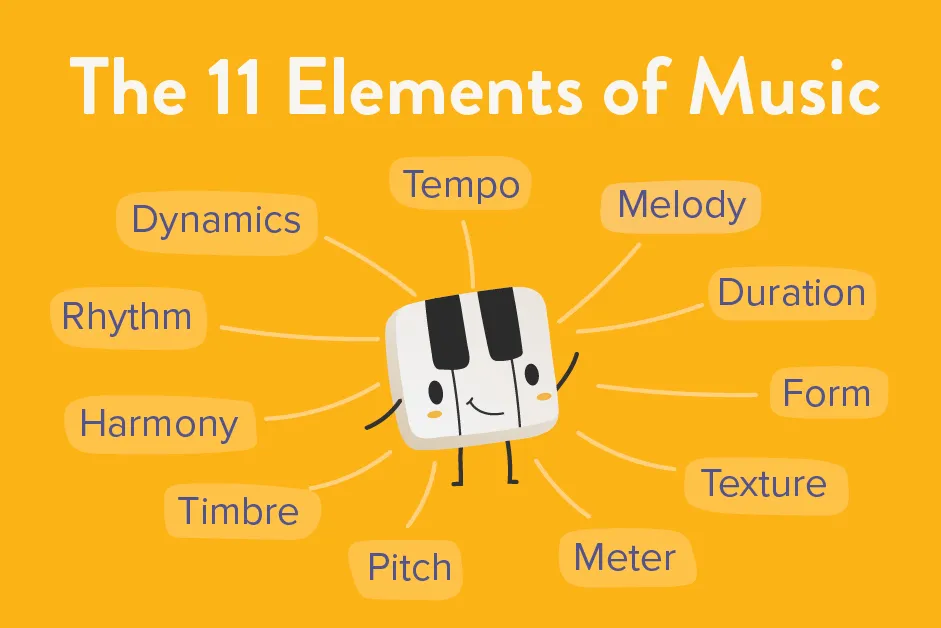
In the past, music icons were defined by album sales, awards, and long-term chart success. Today, the definition is broader and more dynamic.
A modern music icon may be someone who:
- Builds a strong online community
- Creates viral content
- Connects deeply with fans
- Adapts quickly to trends
This new definition reflects the changing nature of the industry.
Economic Growth and Industry Expansion

The music industry continues to grow rapidly. The global music streaming market is expected to expand significantly, reaching tens of billions of dollars in value.
This growth is driven by increased smartphone usage, internet access, and demand for on-demand content.
As the industry grows, more opportunities are created for new artists to succeed.
Diversity and Representation

Another important factor in the rise of new music icons is diversity. Artists from different backgrounds, cultures, and genres are gaining recognition.
This has made the music industry more inclusive and representative of global audiences.
Listeners today value authenticity and unique voices, which has opened doors for artists who were previously underrepresented.
The Future of Music Icons
The future of music icons will be shaped by technology, audience behavior, and global trends.
Artists who succeed will be those who:
- Adapt to new platforms
- Build strong fan communities
- Embrace innovation
- Stay authentic
The rise of new music icons is not slowing down. In fact, it is accelerating as digital platforms continue to evolve.

Lost Today, Powerful Tomorrow: Find Purpose
The Silent Chaos: When Life Feels Directionless Feeling lost in life is often misunderstood as…

Rise and Shine: Build a Powerful Routine
Why Your Morning Matters The way you begin your morning plays a crucial role in…

Healthy Eating Made Easy: Simple Daily Habits
Healthy eating is one of the most important foundations of a good lifestyle. It is…
The New Internet Era: What You Need to Know Today
A New Phase of the Internet The internet is no longer what it used to…

Trending Now: Startup Stories Everyone Is Talking About
Why Startup Stories Are Trending Startup stories today are not just business news—they are becoming…
The Rise of New Music Icons
A New Era of Music Icons The music industry is evolving faster than ever before….
FAQs