

The Strength We Overlook

In a world that celebrates instant success and dramatic transformations, small steps often seem insignificant. People are encouraged to think big, act fast, and achieve quickly. However, real change rarely works that way. Research in psychology and neuroscience shows that meaningful transformation almost always begins with small, consistent actions
Why Small Steps Actually Work
The human brain is not designed for sudden, extreme change. When faced with large goals, it often reacts with stress and resistance. This makes it difficult to maintain new behaviors. Small steps, on the other hand, feel manageable and safe. They reduce pressure and make it easier to begin.
This is where the concept of neuroplasticity becomes important. The brain changes through repeated actions. When a behavior is performed consistently, the brain strengthens the neural pathways associated with it. Over time, these actions become habits.
Even simple actions, like reading a page or working for a few minutes, can lead to major changes when repeated daily.
Breaking the Cycle of Overwhelm
Large goals can feel intimidating. When something seems too big, the natural response is to delay or avoid it. This is why many people struggle with consistency. The pressure to do everything at once often leads to burnout.
Small steps remove that pressure. They make tasks feel achievable. Instead of focusing on the entire journey, attention shifts to the next simple action. This shift reduces mental resistance and makes it easier to move forward.
Starting becomes easier, and once you start, continuing becomes natural.
Massive Power in Small Actions

The true strength of small steps lies in accumulation. Just like small financial investments grow over time, small efforts in life build upon each other. A slight improvement repeated daily can lead to exponential growth.
Progress may not be visible immediately, but it is always happening in the background. Each small action adds to the next, creating a powerful chain of improvement.
Momentum also plays a key role. When actions are easy to complete, people are more likely to stay consistent. Each completed step creates a sense of progress, which builds motivation. Over time, this momentum becomes a driving force.
Consistency Over Intensity
Many people believe that success requires intense effort. While effort is important, consistency matters more. Large bursts of energy followed by long breaks are less effective than small, regular actions.
Small steps are sustainable. They fit into daily life without causing exhaustion. Because they require less effort, they are easier to repeat. This makes them more reliable in the long run.
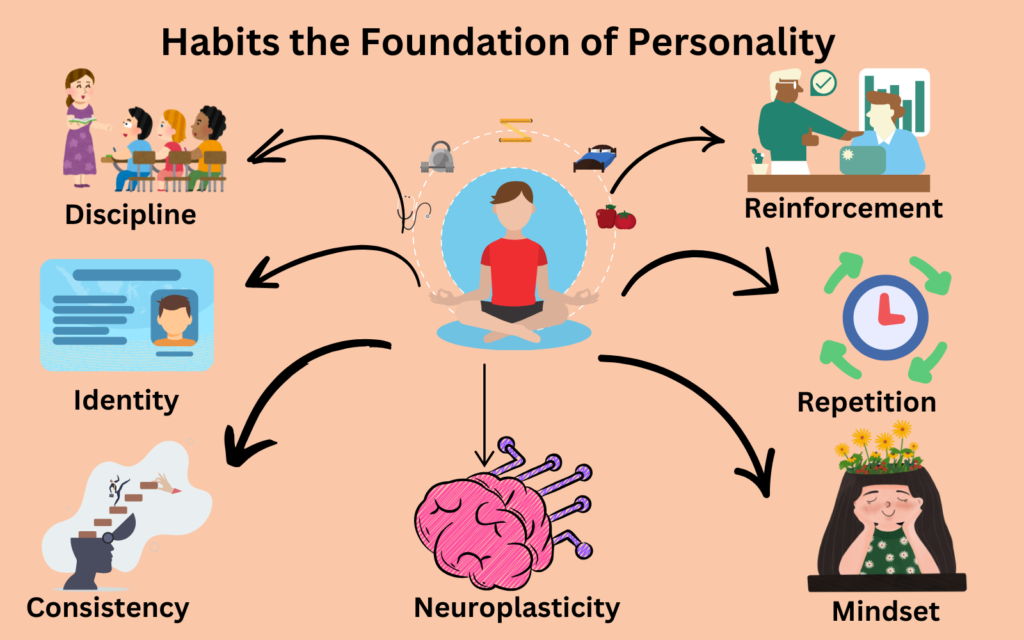
Consistency turns actions into habits, and habits shape identity.
The Emotional Power of Progress
Small steps do more than create results—they shape emotions. Every time a person completes a small task, the brain releases dopamine. This creates a feeling of satisfaction and reward.
These small wins build a positive feedback loop. Action leads to progress, progress creates good feelings, and those feelings encourage further action. Over time, this loop strengthens motivation.
Confidence also grows through small successes. Each completed action proves that progress is possible. This repeated proof builds self-belief.
Reducing Fear and Anxiety

Big goals often come with fear. People worry about failure, judgment, or not being good enough. These fears can prevent action entirely.
Small steps reduce this emotional burden. They shift focus from the final outcome to a single manageable task. This makes action feel safe.
Instead of worrying about the entire journey, you only need to focus on the next step. This simple shift reduces anxiety and increases clarity.
Real-Life Impact of Small Steps
The effectiveness of small steps is visible in many areas of life. In health and fitness, gradual changes are more sustainable than extreme diets or intense routines. In habit formation, consistency over time is more important than speed.
In productivity, breaking tasks into smaller parts makes them easier to complete. It reduces procrastination and increases focus. Across different fields, the same pattern appears—small actions lead to lasting results.
The Philosophy Behind Growth

The idea of small steps is not new. Many philosophies emphasize gradual improvement and continuous progress. Growth is rarely sudden. It is built through repetition and patience.
Even major achievements are often the result of many small efforts combined. What looks like a breakthrough is usually the outcome of consistent work over time.
Why People Fail Without Small Steps
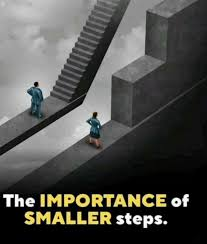
Many people fail not because they lack ambition, but because they ignore the process. They focus only on the result and try to change everything at once. This leads to inconsistency and frustration.
Waiting for motivation or aiming for perfection often delays action. Without small, manageable steps, progress becomes difficult to sustain.
Success is not about doing everything at once. It is about doing something consistently.
Turning Small Steps into a System
The key to growth is simplicity. Starting with actions that are easy removes the barrier to entry. Repeating those actions builds familiarity and reduces resistance.
Over time, these small actions can expand naturally. What once felt difficult becomes normal. This gradual increase creates steady progress without overwhelming the individual.
The focus should always remain on consistency rather than intensity.
FAQs
1. What does “Lost Moments” really mean?
“Lost Moments” refers to time, opportunities, or experiences that have passed and cannot be recovered. It can include missed chances, regrets, or memories that no longer exist in the present. Psychologically, reflecting on lost moments is a natural human tendency, as people often evaluate past decisions to make sense of their lives.
2. Why do people feel regret about the past?
Regret happens because the human brain constantly compares what happened with what could have happened. Research in psychology shows that people often regret missed opportunities more than wrong actions. This is because unrealized possibilities tend to stay active in memory for longer periods.
3. What is meant by “Rare Strength”?
“Rare Strength” refers to the inner resilience that develops after facing difficult experiences. It is not common because it requires emotional endurance, self-reflection, and the ability to grow from hardship rather than avoid it.

Lost Today, Powerful Tomorrow: Find Purpose
The Silent Chaos: When Life Feels Directionless Feeling lost in life is often misunderstood as…
Rise and Shine: Build a Powerful Routine
Why Your Morning Matters The way you begin your morning plays a crucial role in…

Healthy Eating Made Easy: Simple Daily Habits
Healthy eating is one of the most important foundations of a good lifestyle. It is…
The New Internet Era: What You Need to Know Today
A New Phase of the Internet The internet is no longer what it used to…

Trending Now: Startup Stories Everyone Is Talking About
Why Startup Stories Are Trending Startup stories today are not just business news—they are becoming…

The Rise of New Music Icons
A New Era of Music Icons The music industry is evolving faster than ever before….