
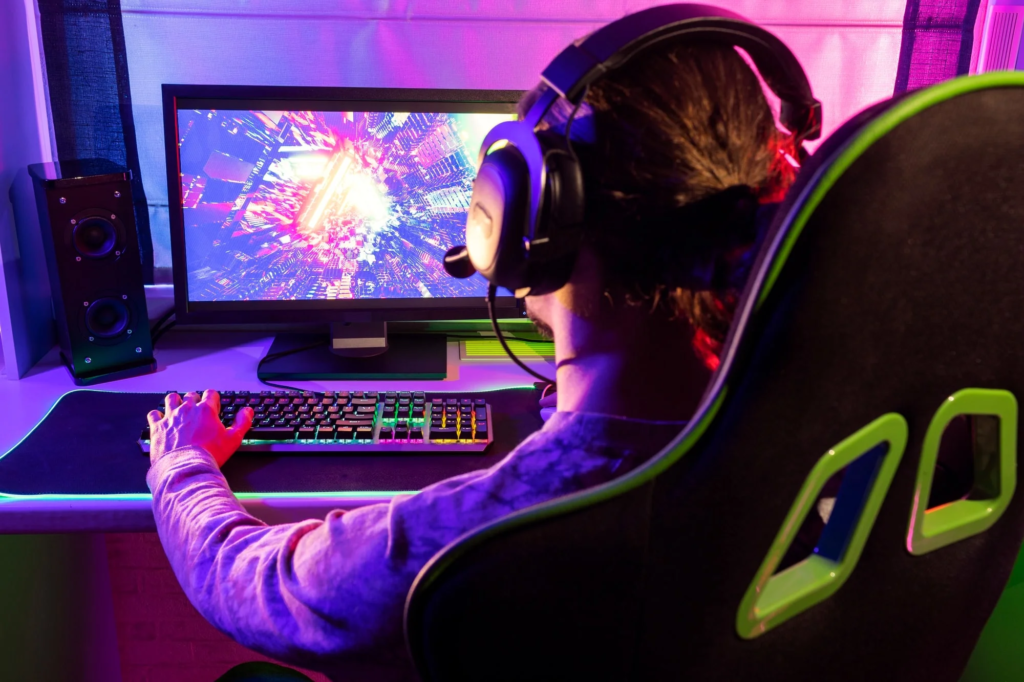
Competitive gaming, commonly known as esports, has evolved from casual entertainment into a highly structured and performance-driven discipline. Today, it is recognized globally as a competitive field where players train, strategize, and perform at levels comparable to traditional athletes. Research shows that esports has experienced massive growth in both participation and audience, with hundreds of millions of viewers worldwide and increasing institutional recognition as a sport .
Winning like a professional gamer is not about playing endlessly or relying on talent alone. It requires a combination of structured training, cognitive skills, physical conditioning, and mental resilience. Just like traditional sports, success in competitive gaming is built on discipline, consistency, and strategic thinking.
Understanding Competitive Gaming Performance
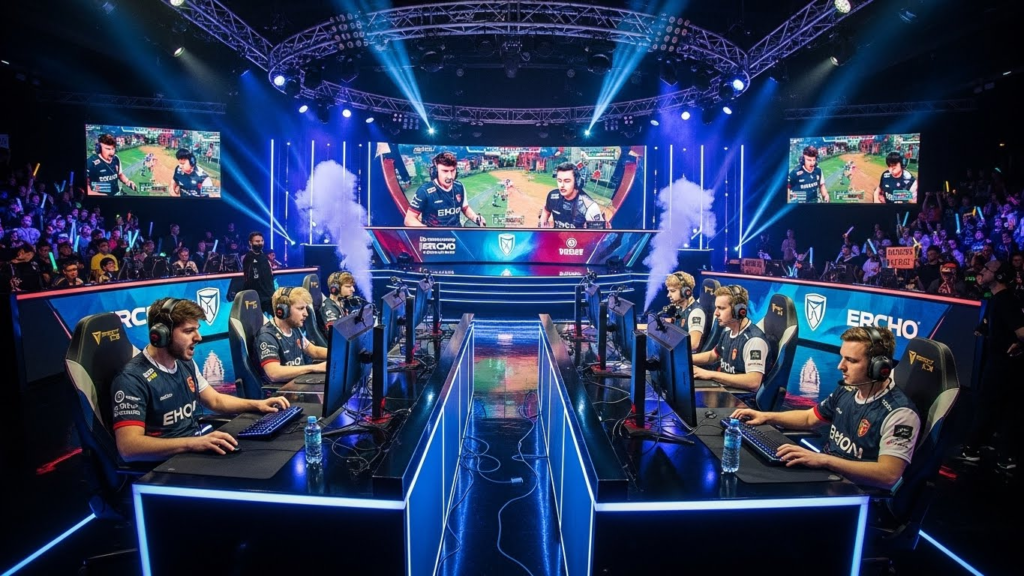
At the professional level, gaming performance is not defined by a single skill. Instead, it is a combination of multiple competencies working together. Studies in esports performance highlight that key abilities include reaction time, decision-making, concentration, teamwork, and anticipatory thinking .
Professional gamers do not simply react faster—they think ahead. They analyze patterns, predict opponent behavior, and adapt strategies in real time. This level of performance requires deep familiarity with the game and the ability to process information quickly under pressure.
Another important insight from research is that mastery in esports goes beyond basic mechanics like clicking speed. Instead, elite players excel by optimizing higher-level skills such as strategy, positioning, and decision-making within complex scenarios .
This means that winning like a pro is less about raw speed and more about intelligent gameplay.
The Role of Structured Training
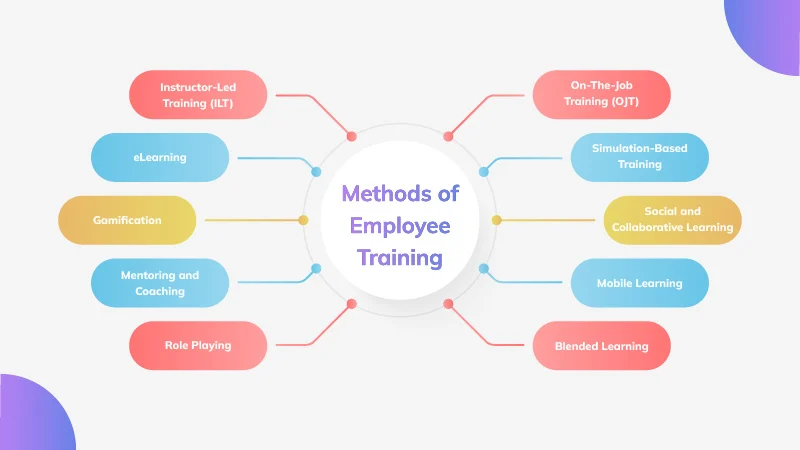
One of the biggest differences between casual players and professionals is how they train. Research involving over 1,800 esports players found that individuals spend an average of around 20 hours per week playing, with nearly 40% of that time dedicated specifically to training activities rather than casual play .
Elite players often follow even more intense routines. Some studies report that professional gamers train up to 5–6 hours per day, focusing on improving specific skills rather than just playing matches .
Structured training includes:
- Practicing mechanics such as aiming or movement
- Reviewing gameplay to identify mistakes
- Studying opponents and strategies
- Working on team coordination
This approach reflects a key principle: improvement comes from deliberate practice, not repetition alone.
Cognitive Skills: The Real Competitive Edge
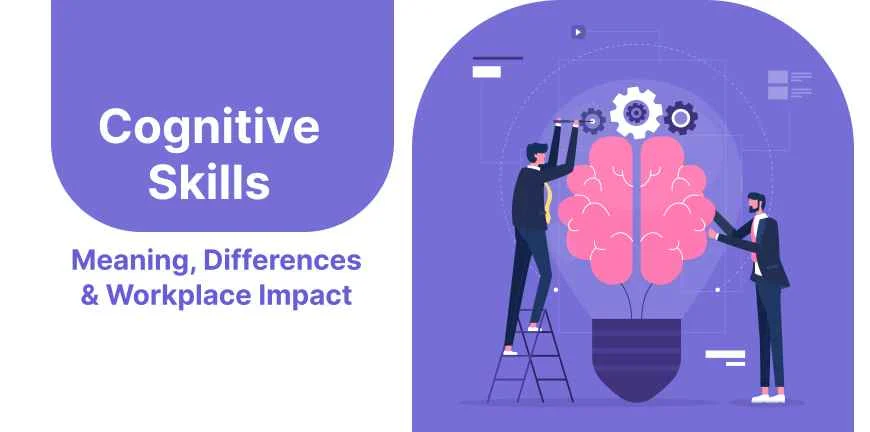
Competitive gaming heavily relies on cognitive performance. Research shows that esports players develop enhanced abilities in attention, memory, and decision-making compared to non-players .
In fast-paced games, players must process large amounts of information within seconds. They need to track multiple elements simultaneously—enemy positions, objectives, timing, and team coordination—while making accurate decisions under pressure.
Decision-making speed and accuracy often determine the outcome of a match. A single delayed reaction or poor choice can lead to defeat, especially in high-level competition.
This is why professional gamers train not only their hands but also their minds.
Physical Fitness and Gaming Performance

While gaming may seem like a purely mental activity, physical fitness plays a crucial role in performance. Studies have shown that physical exercise, particularly structured training programs like high-intensity interval training (HIIT), can significantly improve reaction time, accuracy, and decision-making in esports players .
Exercise enhances blood flow to the brain, improves focus, and reduces fatigue. It also helps manage stress, which is a major factor in competitive performance.
Interestingly, many professional players recognize this connection. Research indicates that over half of esports athletes believe physical training positively impacts their in-game performance .
This highlights an important reality: to win like a pro, players must take care of both mind and body.
The Importance of Strategy and Adaptability

Competitive gaming is not static. Every match presents new challenges, requiring players to adapt quickly. Successful players constantly analyze their opponents and adjust their strategies accordingly.
Performance data in esports often includes metrics such as kills, assists, deaths, and overall score, which reflect different playstyles and strategies. For example, a player with high kills but also high deaths may be taking aggressive risks, while another may focus on strategic positioning .
Understanding these patterns allows players to refine their approach and improve their effectiveness in different situations.
Adaptability is what separates good players from great ones. Professionals do not rely on a single strategy—they evolve with the game.
Mental Strength and Stress Management

Competitive gaming is mentally demanding. High-pressure situations, intense focus, and the constant need to perform can lead to stress. Research shows that esports players experience measurable physiological stress responses during competition, including increased heart rate and emotional intensity .
Handling this pressure is a key component of professional success. Players who can stay calm and focused under stress are more likely to make accurate decisions and maintain consistent performance.
Mental resilience is built through experience, preparation, and mindset. Techniques such as visualization, routine practice, and controlled breathing can help players maintain composure during critical moments.
Teamwork and Communication

In team-based esports, individual skill alone is not enough. Success depends heavily on coordination and communication. Research highlights teamwork as one of the most important competencies in esports performance .
Professional teams train together to develop synergy. They practice communication strategies, assign roles, and build trust. Effective communication ensures that players can share information quickly and respond as a unit.
A well-coordinated team can outperform a group of individually skilled players who lack communication.
Learning from Mistakes
One of the defining traits of professional gamers is their ability to learn from failure. Instead of ignoring mistakes, they analyze them in detail. This process, often referred to as “reviewing gameplay,” is a critical part of improvement.
Players watch recordings of their matches to identify errors in positioning, timing, or decision-making. This allows them to understand what went wrong and how to improve in future games.
Continuous learning is essential in competitive gaming because the environment is constantly evolving. New strategies, updates, and opponents require players to keep adapting.
Consistency Over Talent
While natural talent can provide an initial advantage, research and experience show that consistent practice is the key to long-term success. The concept of deliberate practice—focused, goal-oriented training—is widely recognized as the most effective way to build expertise.
In esports, this means:
- Practicing specific skills daily
- Setting measurable goals
- Tracking performance improvements
Over time, consistent effort leads to significant improvement, regardless of starting skill level.
The Professional Mindset
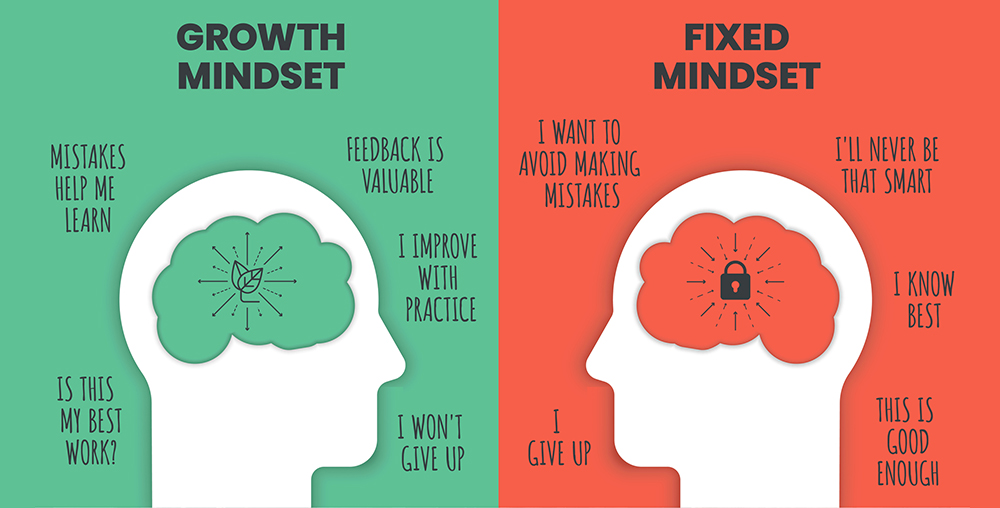
Winning like a pro requires more than technical skills—it requires the right mindset. Professional gamers approach the game with discipline, focus, and a willingness to improve.
They treat gaming as a serious pursuit rather than casual entertainment. This includes maintaining routines, managing time effectively, and staying committed to long-term goals.
A professional mindset also involves handling both success and failure with balance. Winning builds confidence, but losing provides valuable lessons. Both are essential for growth.
The Future of Competitive Gaming
Esports continues to grow rapidly, with increasing recognition, investment, and opportunities. Universities, organizations, and governments are beginning to support esports as a legitimate career path.
As the industry evolves, the standards for performance will continue to rise. Players will need to adopt more advanced training methods, integrate physical fitness, and develop stronger mental skills to stay competitive.
This evolution reinforces one key idea: competitive gaming is becoming more professional, and success requires a holistic approach.

Lost Today, Powerful Tomorrow: Find Purpose
The Silent Chaos: When Life Feels Directionless Feeling lost in life is often misunderstood as…

Rise and Shine: Build a Powerful Routine
Why Your Morning Matters The way you begin your morning plays a crucial role in…

Healthy Eating Made Easy: Simple Daily Habits
Healthy eating is one of the most important foundations of a good lifestyle. It is…

The New Internet Era: What You Need to Know Today
A New Phase of the Internet The internet is no longer what it used to…

Trending Now: Startup Stories Everyone Is Talking About
Why Startup Stories Are Trending Startup stories today are not just business news—they are becoming…

The Rise of New Music Icons
A New Era of Music Icons The music industry is evolving faster than ever before….