
In today’s fast-paced world, stress has become almost unavoidable. Whether it comes from work pressure, financial challenges, relationships, or the constant digital noise, stress silently shapes how people think, feel, and live. However, a growing body of scientific research suggests a powerful shift in perspective—one that prioritizes inner awareness, emotional balance, and mindfulness. This shift can be described as “Soul Over Stress”: choosing inner stability over external chaos.
This is not just a philosophical idea; it is increasingly supported by psychology, neuroscience, and health research. Understanding this “new life formula” requires exploring what stress does to the human mind and body, and how inner practices like mindfulness and self-awareness can counter its effects.
Understanding Stress: More Than Just a Feeling

Stress is not only a mental state—it is a biological response. When a person experiences stress, the body activates its “fight-or-flight” system, releasing hormones like cortisol and adrenaline. While this response is helpful in short bursts, chronic stress can harm both physical and mental health. Research has consistently shown that long-term stress is linked to anxiety, depression, and reduced overall well-being. It also affects cognitive function, sleep quality, and emotional stability. Over time, stress can shape how the brain reacts to situations, making individuals more reactive and less resilient. One of the key problems with stress is rumination—the tendency to repeatedly think about negative experiences. This mental loop amplifies emotional distress and prolongs the body’s stress response.
The Rise of Inner Awareness

The concept of prioritizing the “soul” refers to cultivating inner awareness, presence, and emotional balance. In modern psychology, this is often studied under the concept of mindfulness. Mindfulness is defined as paying attention to the present moment in a non-judgmental way. It involves observing thoughts and emotions without immediately reacting to them.
Scientific research over the past few decades has shown that mindfulness is strongly associated with improved psychological health. It helps individuals regulate emotions, reduce anxiety, and increase overall well-being. This shift—from reacting to stress to observing it—is the foundation of the “Soul Over Stress” approach.
How Mindfulness Reduces Stress
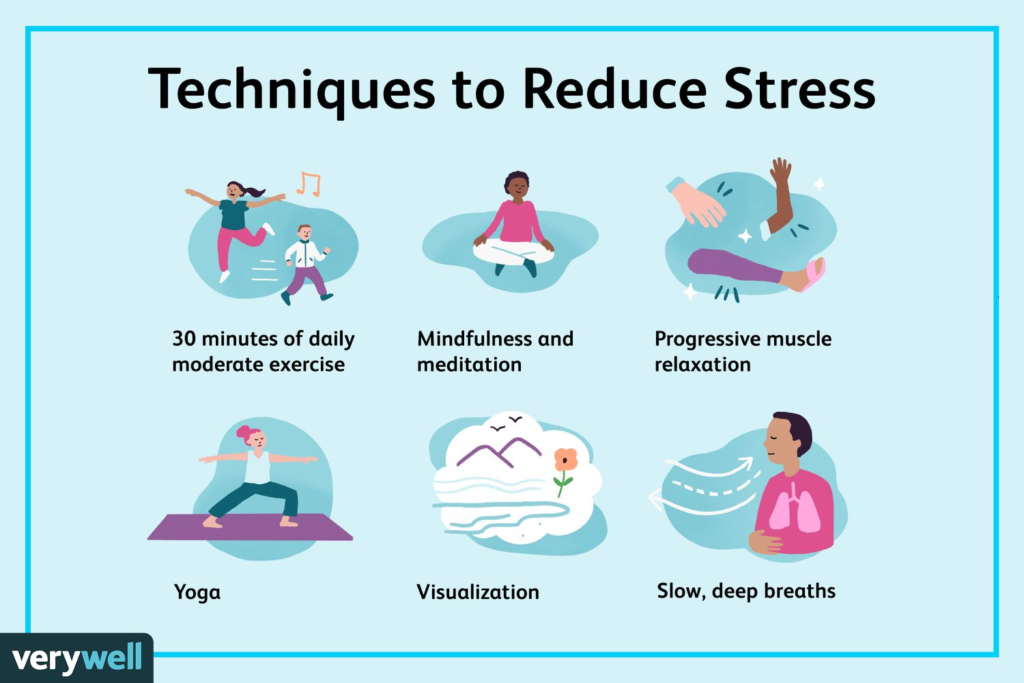
One of the most important aspects of this life formula is understanding how mindfulness works at a scientific level. Studies show that mindfulness-based practices can significantly reduce perceived stress levels. A recent meta-analysis (2026) found that mindfulness interventions effectively lower stress in non-clinical adult populations.
Additionally, mindfulness helps reduce emotional reactivity. Instead of instantly reacting to stressful situations, individuals develop the ability to pause, reflect, and respond calmly. This is linked to changes in brain activity—particularly in areas responsible for emotional regulation. Research also indicates that mindfulness reduces symptoms of anxiety and depression while improving cognitive and social functioning. In simple terms, mindfulness trains the brain to move from reaction mode to response mode.
The Brain on Stress vs. The Brain on Awareness
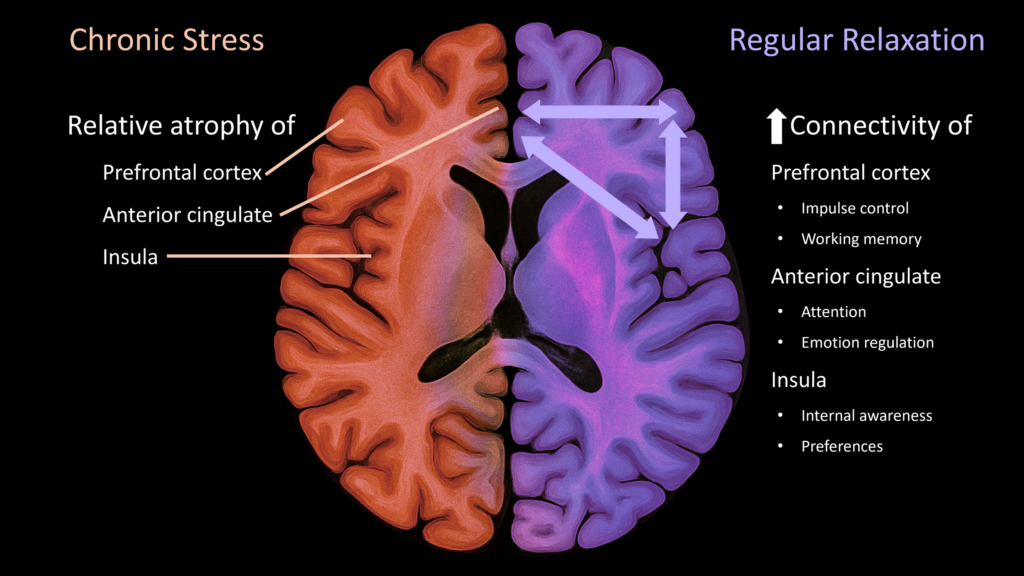
Stress and mindfulness affect the brain in very different ways. Chronic stress activates the amygdala—the part of the brain responsible for fear and emotional responses. This leads to heightened anxiety and impulsive reactions. On the other hand, mindfulness strengthens the prefrontal cortex, which is responsible for decision-making, focus, and emotional control. Studies show that individuals with higher mindfulness levels have reduced emotional reactivity and better regulation of negative thoughts. This neurological shift explains why people who practice mindfulness often feel calmer, more focused, and more in control of their lives.
Emotional Resilience: The Core of the New Life Formula
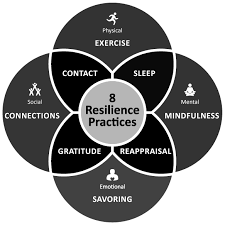
“Soul Over Stress” is not about eliminating stress entirely—it is about building resilience.
Emotional resilience is the ability to adapt to challenges without being overwhelmed. Mindfulness plays a key role in developing this resilience by helping individuals: Research suggests that mindfulness reduces emotional reactivity and improves behavioral regulation, both of which are essential for resilience.
This means that instead of being controlled by stress, individuals learn to navigate it with clarity and balance.
- Recognize emotional triggers
- Avoid overthinking and rumination
- Stay grounded in the present moment
- Respond thoughtfully instead of reacting impulsively
Physical Benefits of Inner Calm

The benefits of prioritizing inner well-being are not limited to mental health. Mindfulness and stress reduction also have measurable physical effects.
Studies indicate that mindfulness can:
- Lower blood pressure
- Improve sleep quality
- Enhance immune function
- Reduce chronic pain symptoms
These findings highlight an important truth: mental and physical health are deeply connected. When stress is reduced, the body naturally begins to heal and function more efficiently.
Breaking the Cycle of Overthinking
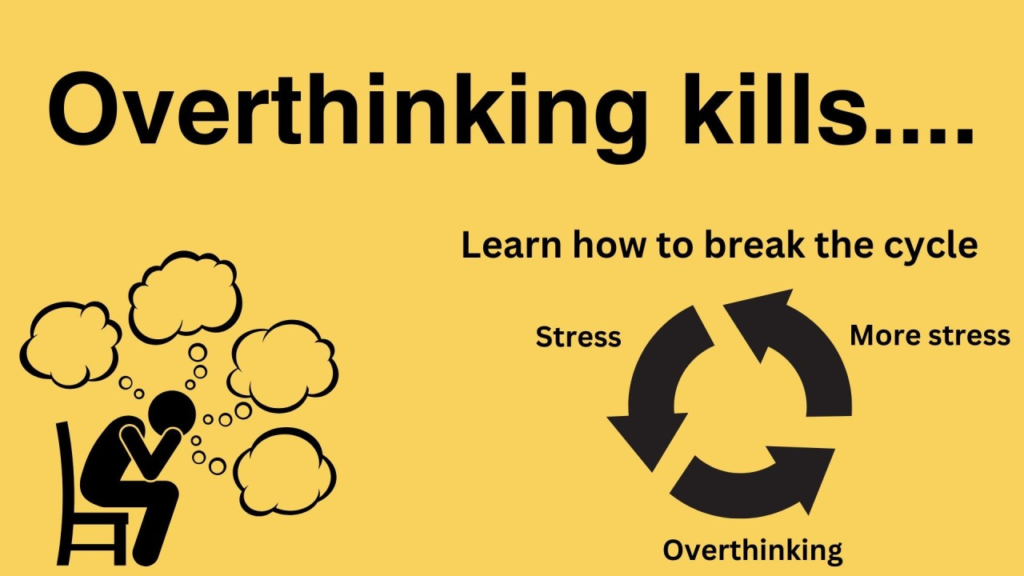
One of the biggest contributors to stress is overthinking. People often replay past mistakes or worry about future uncertainties, creating a cycle of mental exhaustion. Mindfulness directly addresses this issue by encouraging present-moment awareness. Instead of getting lost in thoughts, individuals learn to observe them without attachment. Research shows that mindfulness helps reduce rumination, which is a major risk factor for mental health issues. By breaking this cycle, individuals experience greater mental clarity and emotional freedom.
The Role of Daily Practices
The “Soul Over Stress” formula is not a one-time solution—it is a daily practice.
Simple habits can significantly improve inner well-being:
1. Mindful Breathing
Focusing on the breath helps anchor attention in the present moment and activates the body’s relaxation response.
2. Meditation
Regular meditation strengthens attention and emotional regulation over time.
3. Gratitude Practice
Reflecting on positive aspects of life shifts focus away from stress and negativity.
4. Digital Detox
Reducing screen time lowers mental overload and improves focus.
5. Self-Reflection
Journaling or quiet reflection helps process emotions and gain clarity. These practices are simple, but their impact is powerful when done consistently.
Why This Approach Matters Today

“Modern life creates noise, but your soul is where clarity lives.”
Modern life is designed to keep people busy, distracted, and constantly stimulated. While technology and progress have improved convenience, they have also increased mental pressure. The “Soul Over Stress” approach offers a necessary balance. It encourages individuals to slow down, reconnect with themselves, and prioritize inner peace over external validation. This shift is especially important in a world where stress-related disorders are becoming increasingly common.
Challenges and Misconceptions
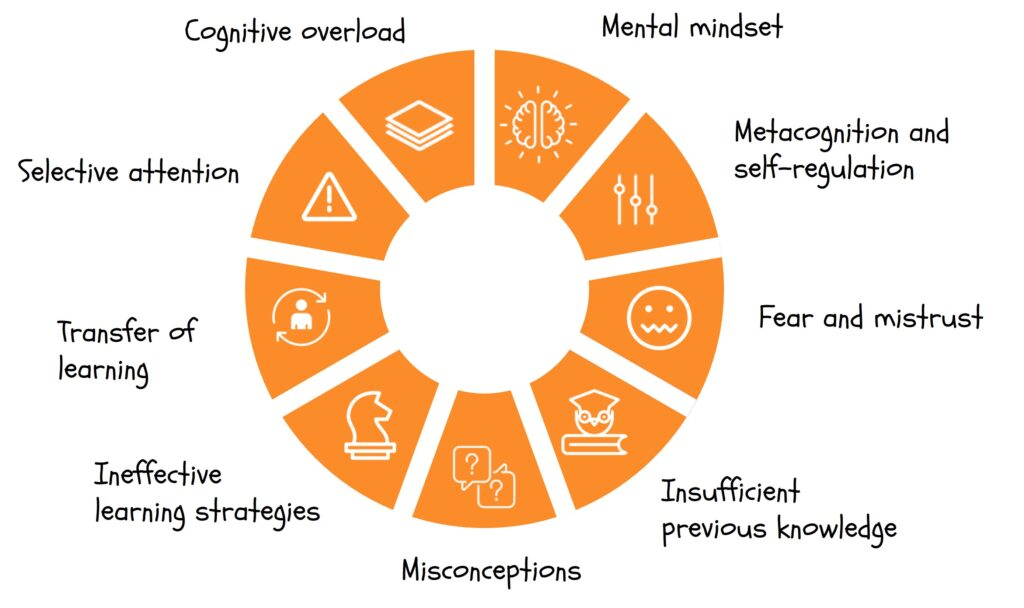
While mindfulness and inner practices are effective, they are not instant solutions.
Some common misconceptions include:
- “Mindfulness removes all stress”
In reality, it changes how you respond to stress. - “It works immediately”
Like any skill, it requires consistent practice. - “It’s only spiritual, not scientific”
Research clearly shows its psychological and neurological benefits.
It is also important to note that mindfulness is not a replacement for professional medical treatment but can complement it effectively.
A Balanced Perspective

While most research highlights the benefits of mindfulness, some studies suggest that certain individuals may experience temporary discomfort during meditation, especially when confronting suppressed emotions.
However, these effects are generally similar to other psychological treatments and are part of the process of emotional awareness and healing.
The key is to approach mindfulness with guidance, patience, and balance.

Lost Today, Powerful Tomorrow: Find Purpose
The Silent Chaos: When Life Feels Directionless Feeling lost in life is often misunderstood as…

Rise and Shine: Build a Powerful Routine
Why Your Morning Matters The way you begin your morning plays a crucial role in…

Healthy Eating Made Easy: Simple Daily Habits
Healthy eating is one of the most important foundations of a good lifestyle. It is…
The New Internet Era: What You Need to Know Today
A New Phase of the Internet The internet is no longer what it used to…

Trending Now: Startup Stories Everyone Is Talking About
Why Startup Stories Are Trending Startup stories today are not just business news—they are becoming…

The Rise of New Music Icons
A New Era of Music Icons The music industry is evolving faster than ever before….