
The Rise of the Digital Economy

The modern business landscape has undergone a profound transformation over the past decade, shifting from traditional physical models to dynamic digital ecosystems. Earlier, starting a business required significant capital, infrastructure, and geographic presence, but today, digital platforms have removed many of these barriers. This evolution is not just conceptual but strongly supported by global data. E-commerce alone has become a multi-trillion-dollar industry, with global online consumer spending surpassing $4.12 trillion in 2024 and projected to reach between $6.4 trillion and $6.8 trillion by 2025. This rapid growth demonstrates that the digital way of doing business is no longer optional but essential for long-term success.
Create: Turning Ideas into Digital Reality

“Turn your thoughts into tools, and your tools into impact.”
Creating a digital business begins with identifying a real-world problem and offering a solution through online channels. One of the most significant drivers of digital business growth is the expanding base of online consumers. By 2025, there are expected to be nearly three billion online shoppers worldwide, providing businesses with an unprecedented opportunity to reach global audiences. This surge is fueled by increased internet penetration, smartphone usage, and growing consumer trust in digital transactions.
Another critical aspect of creating a digital business is adapting to mobile-first behavior. A large portion of online shopping now takes place on mobile devices, making it essential for businesses to design websites and platforms that are fast, responsive, and user-friendly. Consumers today are also more informed than ever, with research showing that a majority of shoppers conduct online research before making a purchase and often interact with multiple platforms during their buying journey. This means that trust, transparency, and accessibility are fundamental elements in building a successful digital presence.
Launch: Entering the Market with Strategy

Launching a digital business requires more than simply making a product available online; it demands a strategic approach to customer experience and engagement. Research indicates that users are highly sensitive to website performance and design, with nearly half abandoning a website due to poor mobile experience. Additionally, visual presentation plays a crucial role in influencing purchasing decisions, emphasizing the importance of high-quality design and intuitive navigation.
Conversion rates further highlight the complexity of digital markets. On average, only a small percentage of website visitors complete a purchase, while a significant number abandon their shopping carts before checkout. This behavior underscores the need for streamlined processes, transparent pricing, and strong trust signals such as customer reviews and secure payment options. Personalization also plays a vital role during the launch phase, as tailored experiences and product recommendations can significantly increase engagement and revenue by making customers feel understood and valued.
Profit: Scaling and Sustaining Growth

Once a business is successfully launched, the focus shifts to generating and sustaining profit. Digital platforms provide numerous opportunities for scaling, particularly through advancements in digital payments and financial technologies. Digital wallets now account for a substantial share of global online transactions, offering speed, convenience, and security. Additionally, innovations like Buy Now, Pay Later services have expanded purchasing power for consumers, further driving sales growth.
Social commerce has also emerged as a powerful force in the digital economy. Social media platforms are no longer limited to communication; they have become key marketplaces where consumers discover, evaluate, and purchase products. This shift has transformed marketing strategies, requiring businesses to integrate content, storytelling, and influencer engagement into their sales approach.
Technology as the Backbone of Digital Success

Technology plays a central role in enabling businesses to create, launch, and profit effectively. Artificial intelligence, in particular, has become a game-changer in e-commerce. AI-powered tools help businesses analyze customer behavior, deliver personalized experiences, and automate customer support through chatbots. This not only enhances efficiency but also improves customer satisfaction.
Another important aspect is the omnichannel approach, where businesses maintain a consistent presence across multiple platforms such as websites, mobile apps, and social media. Modern consumers often interact with brands through various channels before making a purchase, making it essential for businesses to provide a seamless and integrated experience.
Challenges in the Digital Business Landscape
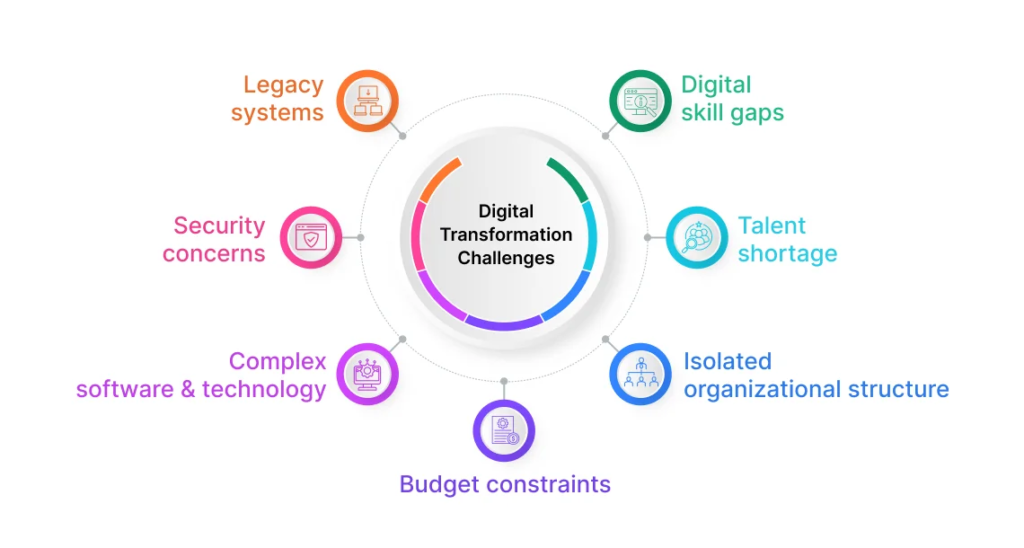
Despite its advantages, the digital business model is not without challenges. Increasing competition is one of the biggest hurdles, as more businesses enter the online space. Standing out requires strong branding, unique value propositions, and effective marketing strategies. At the same time, customer expectations continue to rise, with consumers demanding fast delivery, easy returns, and high-quality service.
Another major challenge is cart abandonment, which reflects hesitation and trust issues among consumers. Factors such as hidden costs, complicated checkout processes, and lack of transparency can discourage customers from completing purchases. Addressing these issues is crucial for improving conversion rates and building long-term customer relationships.
Why the Digital Way Works
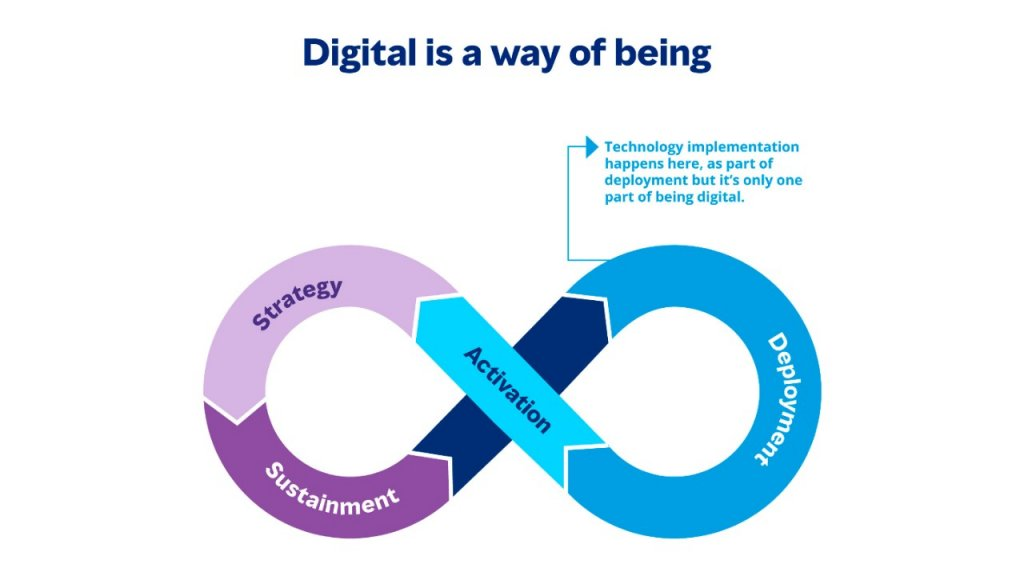
The success of the digital model lies in its ability to align with modern consumer behavior. It offers global reach, allowing businesses to connect with customers worldwide without physical limitations. It also reduces operational costs by eliminating the need for large physical infrastructure. Moreover, digital platforms provide valuable data insights, enabling businesses to make informed decisions and continuously optimize their strategies.
Scalability is another key advantage, as digital businesses can grow rapidly without proportional increases in cost. Once systems and processes are established, expansion becomes more efficient and sustainable.
Future Trends Shaping Digital Business

Looking ahead, several trends are expected to shape the future of digital business. Mobile and voice commerce will continue to grow, making shopping even more accessible and convenient. Artificial intelligence will play an increasingly important role in guiding consumer decisions and automating business operations. Sustainability will also become a significant factor, as consumers show a growing preference for environmentally responsible brands. Additionally, cross-border commerce will enable businesses of all sizes to access international markets more easily.
FAQs

Lost Today, Powerful Tomorrow: Find Purpose
The Silent Chaos: When Life Feels Directionless Feeling lost in life is often misunderstood as…

Rise and Shine: Build a Powerful Routine
Why Your Morning Matters The way you begin your morning plays a crucial role in…

Healthy Eating Made Easy: Simple Daily Habits
Healthy eating is one of the most important foundations of a good lifestyle. It is…
The New Internet Era: What You Need to Know Today
A New Phase of the Internet The internet is no longer what it used to…

Trending Now: Startup Stories Everyone Is Talking About
Why Startup Stories Are Trending Startup stories today are not just business news—they are becoming…
The Rise of New Music Icons
A New Era of Music Icons The music industry is evolving faster than ever before….