
A New Digital Era
Digital innovation is no longer a distant or abstract idea—it is actively reshaping how people live, work, and interact across the globe. From artificial intelligence to blockchain and next-generation connectivity, technology is evolving at an unprecedented pace. These advancements are not only improving efficiency but also inspiring a future that is more connected, intelligent, and sustainable.
Artificial Intelligence: The Core of Modern Innovation
According to industry research, the global AI market is expected to grow at a compound annual growth rate of over 37% and may reach approximately $1.8 trillion by 2030. Additionally, AI is projected to contribute around $15.7 trillion to the global economy by the same year. These figures highlight how essential AI has become in shaping modern economies.
Artificial intelligence has become one of the most powerful drivers of digital transformation. It is influencing industries such as healthcare, finance, retail, and manufacturing by enabling smarter decision-making and automation.
Generative AI, a rapidly growing branch of AI, is transforming creativity and productivity. It allows machines to generate human-like text, images, and even code, enabling businesses to automate tasks and enhance innovation.
Internet of Things: Connecting the World
The Internet of Things (IoT) is another major trend driving digital innovation. It connects physical devices to the internet, allowing them to collect and exchange data in real time.
Research suggests that the number of connected IoT devices could exceed 39 billion by 2030. This massive network of devices is enabling smart homes, smart cities, and efficient industrial systems. IoT is improving energy management, traffic systems, and even healthcare monitoring.
When combined with artificial intelligence, IoT becomes even more powerful. AI analyzes the data generated by connected devices, enabling real-time insights and automated responses.
Blockchain Technology: Ensuring Trust and Security
Blockchain technology is transforming how data and transactions are managed. It provides a decentralized and transparent system, reducing the need for intermediaries and increasing trust.
This technology is widely used in financial services, supply chain management, and digital identity verification. Studies indicate that blockchain adoption improves operational efficiency and enhances innovation within organizations.
As blockchain continues to evolve, its integration with other technologies is opening new possibilities for secure and efficient digital ecosystems.
Generative AI and Automation: Redefining Work and Creativity
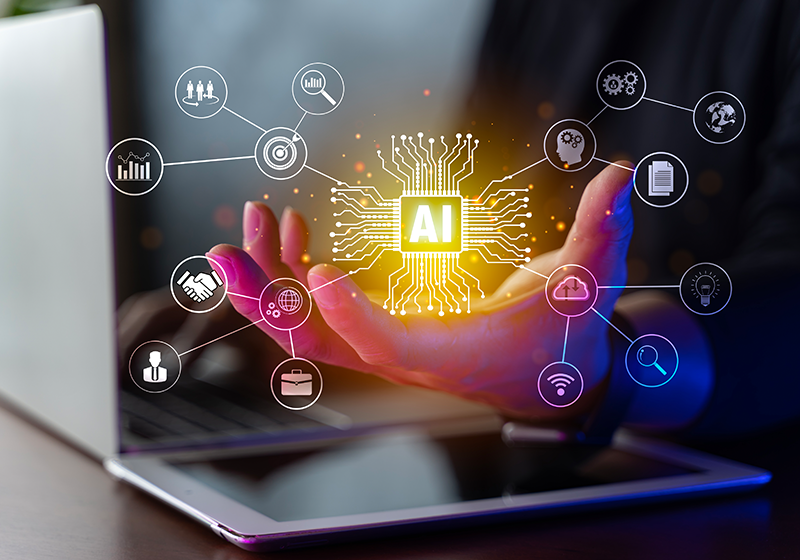
The rise of generative AI and automation is changing how work is performed. Businesses are increasingly using AI tools to automate repetitive tasks, allowing employees to focus on more strategic activities.
Automation is improving productivity, reducing costs, and enabling faster innovation. At the same time, it is transforming the workforce by creating new roles and requiring new skills.
Edge Computing: Real-Time Data Processing
As data generation continues to increase, traditional cloud computing faces challenges related to speed and latency. Edge computing addresses these issues by processing data closer to its source.
This approach enables faster decision-making and is especially important for applications such as autonomous vehicles, smart infrastructure, and industrial automation.
By reducing delays and improving efficiency, edge computing is becoming a key component of modern digital systems.
5G Connectivity: Powering the Future
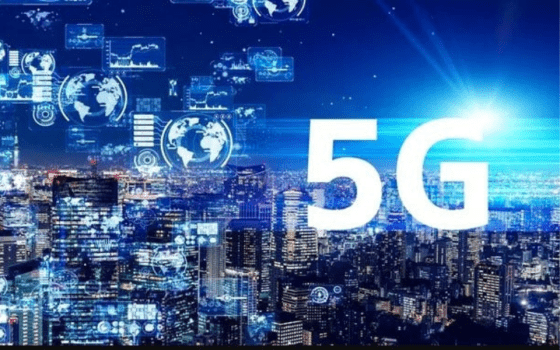
The expansion of 5G networks is accelerating digital transformation. With faster speeds, lower latency, and improved connectivity, 5G enables seamless communication between devices.
It supports advanced technologies such as IoT, AI, and smart systems, making it a critical foundation for future innovation. Although adoption is still growing, the impact of 5G is already visible in areas like remote healthcare, smart cities, and immersive digital experiences.
No-Code and Low-Code Platforms: Innovation for Everyone
No-code and low-code platforms are making technology accessible to a wider audience. These tools allow individuals with minimal programming knowledge to create applications and digital solutions.
This democratization of technology is accelerating innovation and enabling businesses to respond quickly to changing market demands. It reduces development time, lowers costs, and encourages creativity across organizations.
Quantum Computing: The Next Frontie
Quantum computing represents the future of advanced technology. Although still in its early stages, it has the potential to solve complex problems that traditional computers cannot handle.
It could revolutionize fields such as cryptography, drug discovery, and materials science. At the same time, it raises concerns about data security, leading to the development of new encryption methods.
Quantum computing highlights the importance of preparing for future technological advancements.
Sustainability and Green Technology

Digital innovation is playing a crucial role in promoting sustainability. Organizations are using technology to reduce carbon emissions, optimize energy use, and improve resource efficiency.
Smart systems are enabling better energy management, sustainable supply chains, and environmentally friendly practices. This focus on sustainability is essential for balancing economic growth with environmental responsibility.
Technology Convergence: A Unified Digital Ecosystem
One of the most important trends is the convergence of multiple technologies. Instead of evolving separately, technologies like AI, IoT, blockchain, and 5G are increasingly interconnected.
This integration creates powerful digital ecosystems that enhance efficiency and innovation. For example, AI combined with IoT enables intelligent systems, while blockchain ensures security and transparency.
The convergence of technologies is driving a new era of digital transformation
Conclusion:
Digital innovation trends are not just influencing the future—they are actively building it. Technologies such as artificial intelligence, IoT, blockchain, and 5G are transforming industries and improving everyday life.
At the same time, emerging fields like quantum computing and sustainable technology are opening new possibilities. The combination of these innovations is creating a world that is more connected, efficient, and intelligent.
However, with rapid technological growth comes responsibility. Issues such as data privacy, ethical AI, and digital inclusion must be addressed to ensure that innovation benefits everyone.
The future belongs to those who embrace digital transformation and adapt to change. By understanding these trends, individuals and organizations can play a vital role in shaping a smarter and more innovative world.
FAQs
1. What are digital innovation trends everyone is talking about?
Digital innovation trends refer to emerging technologies like artificial intelligence, IoT, blockchain, and 5G that are transforming industries and daily life. These trends are widely discussed because they are driving major changes in how businesses operate and how people interact with technology.
2. Why do digital innovation trends matter so much today?
These trends matter because they are shaping the future of the global economy and society. They improve efficiency, create new opportunities, and solve complex problems, making them essential for growth and innovation.
3. How are digital trends changing our everyday lives?
Digital trends are making life more convenient and connected. From smart homes and online services to AI-powered apps and digital payments, technology is improving how people communicate, work, and manage daily tasks.
4. What are the most powerful digital innovation trends right now?
Some of the most powerful trends include artificial intelligence, the Internet of Things, blockchain technology, 5G connectivity, and automation. These technologies are driving major transformations across industries.
5. Can digital innovation trends really transform businesses?
Yes, digital innovation trends can significantly transform businesses by improving productivity, reducing costs, and enhancing customer experiences. Companies that adopt these technologies often gain a competitive advantage.

Lost Today, Powerful Tomorrow: Find Purpose
The Silent Chaos: When Life Feels Directionless Feeling lost in life is often misunderstood as…

Rise and Shine: Build a Powerful Routine
Why Your Morning Matters The way you begin your morning plays a crucial role in…

Healthy Eating Made Easy: Simple Daily Habits
Healthy eating is one of the most important foundations of a good lifestyle. It is…
The New Internet Era: What You Need to Know Today
A New Phase of the Internet The internet is no longer what it used to…
Trending Now: Startup Stories Everyone Is Talking About
Why Startup Stories Are Trending Startup stories today are not just business news—they are becoming…
The Rise of New Music Icons
A New Era of Music Icons The music industry is evolving faster than ever before….