

The idea that a strong body leads to a strong mind is not just motivational—it is supported by decades of scientific research. Physical activity has consistently been shown to improve not only physical health but also mental well-being, emotional stability, and overall quality of life. According to health research, regular exercise is “one of the most important things you can do for your health,” benefiting both body and mind simultaneously .
In modern life, where stress, sedentary habits, and mental fatigue are increasingly common, the connection between physical fitness and mental strength has become more relevant than ever. A strong body does not just improve how you look—it transforms how you think, feel, and live.
The Science Behind a Strong Body and Mind


Balance your mind, fuel your focus, and unlock your inner power .
The relationship between physical activity and mental health is deeply rooted in biology. Exercise triggers several physiological changes in the brain that directly impact mood, cognition, and emotional well-being.
One of the most important mechanisms is the release of chemicals that enhance brain function. Physical activity increases the production of brain-derived neurotrophic factor (BDNF), which supports the growth of new brain cells and improves cognitive function . This process helps enhance memory, learning, and overall mental performance.
Additionally, exercise stimulates the release of endorphins—often referred to as “feel-good” hormones—which help reduce stress and improve mood. Research also shows that even short sessions of aerobic exercise, lasting 20–40 minutes, can significantly improve mood and reduce anxiety for several hours .
These findings clearly demonstrate that physical strength and mental strength are interconnected at a biological level.
Physical Strength and Overall Health

Building a strong body has numerous benefits that extend beyond appearance. Regular physical activity improves cardiovascular health, strengthens muscles and bones, and reduces the risk of chronic diseases such as diabetes and heart disease .
Exercise also plays a key role in improving sleep quality and energy levels. Better sleep contributes to improved mental clarity and emotional balance, creating a positive cycle where physical and mental health reinforce each other.
Even simple activities like walking can have significant effects. Research suggests that increasing daily physical activity improves overall well-being, reduces the risk of chronic illness, and enhances brain function and energy levels .
This highlights an important truth: physical strength is not limited to intense workouts—it can be built through consistent, everyday movement.
Mental Strength Through Movement

Mental strength is often defined as the ability to handle stress, stay focused, and maintain emotional control. Exercise plays a critical role in developing these abilities.
Studies have shown that regular physical activity can reduce symptoms of anxiety and depression while improving overall mood and self-esteem . In some cases, the psychological benefits of exercise are comparable to traditional treatments for mental health conditions .
Exercise also enhances cognitive functions such as attention, memory, and decision-making. This is particularly important in today’s fast-paced environment, where mental clarity and focus are essential for success.
Moreover, engaging in physical activity helps individuals build discipline and consistency. These habits translate into other areas of life, strengthening resilience and the ability to overcome challenges.
Exercise as a Stress Management Tool
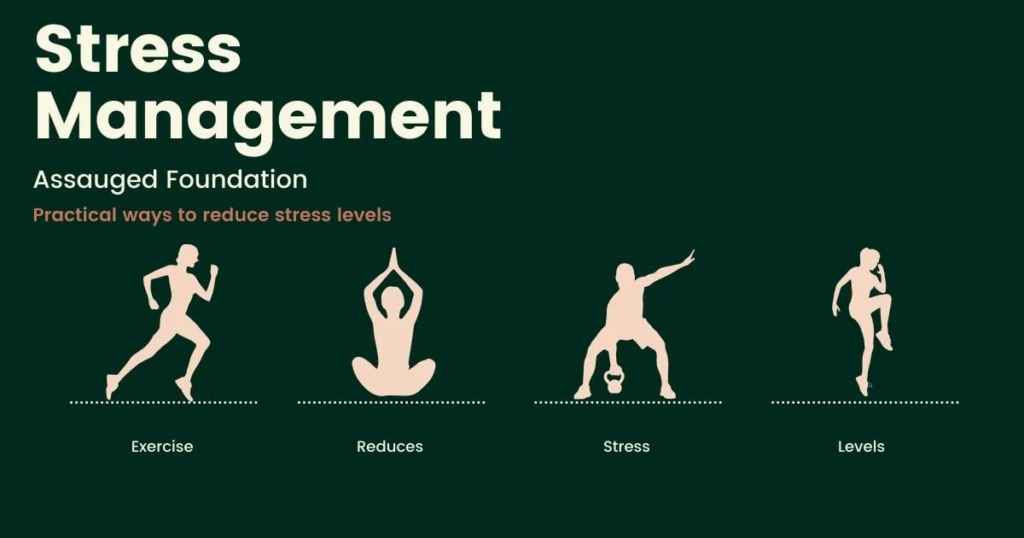
Stress is one of the most common challenges in modern life, affecting both physical and mental health. Exercise has been proven to be an effective way to manage and reduce stress.
Physical activity helps regulate stress hormones and promotes relaxation. It also provides a mental break from daily pressures, allowing the mind to reset. Regular exercise has been shown to reduce stress, improve sleep, and support recovery from mental health challenges .
Recent large-scale research even suggests that aerobic exercise can serve as a frontline approach for managing mild depression and anxiety, highlighting its powerful impact on mental well-being .
This makes exercise one of the most accessible and effective tools for maintaining mental balance.
The Role of Consistency in Building Strength

One of the most important factors in achieving both physical and mental strength is consistency. Research indicates that even small amounts of regular exercise can produce significant benefits over time .
Consistency helps build habits, and habits create long-term change. When individuals commit to regular physical activity, they develop discipline, patience, and perseverance—qualities that are essential for success in any area of life.
It is not necessary to follow extreme routines or intense workouts. What matters most is maintaining a regular pattern of activity that fits into daily life.
Confidence and Self-Esteem
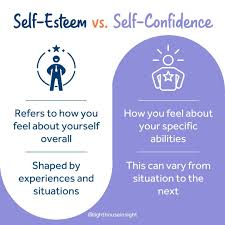
A strong body often leads to increased confidence and self-esteem. As individuals improve their physical fitness, they gain a sense of accomplishment and control over their lives.
Exercise helps individuals set and achieve goals, which reinforces self-belief. Over time, this builds a positive self-image and a stronger sense of identity.
Improved physical health also contributes to better posture, energy levels, and overall presence, which further enhances confidence in social and professional settings.
The Mind-Body Connection in Daily Life
The connection between body and mind is not limited to workouts—it influences everyday life. When the body is active and healthy, the mind becomes more focused, resilient, and adaptable.
For example, regular physical activity improves sleep, which in turn enhances cognitive performance and emotional stability. Better sleep leads to improved decision-making, productivity, and overall well-being.
Similarly, exercise encourages mindfulness. Activities like running, yoga, or even walking allow individuals to be present in the moment, reducing mental clutter and increasing clarity.
This integration of physical and mental health creates a balanced and fulfilling lifestyle.
Overcoming Barriers to Fitness

Despite the benefits, many people struggle to maintain a fitness routine. Common barriers include lack of time, motivation, or confidence.
Research suggests that starting with small, manageable steps can make a significant difference. Choosing enjoyable activities and setting realistic goals increases the likelihood of consistency .
It is also important to recognize that progress takes time. Building strength—both physical and mental—is a gradual process that requires patience and persistence.
A Better Life Through Strength

The ultimate goal of building a strong body and mind is to create a better life. This includes improved health, greater happiness, and a stronger sense of purpose.
A physically active lifestyle supports longevity, reduces the risk of disease, and enhances quality of life. At the same time, mental strength enables individuals to handle challenges, adapt to change, and pursue their goals with confidence.
Together, these elements create a life that is not only healthier but also more meaningful and fulfilling.
FAQs

Lost Today, Powerful Tomorrow: Find Purpose
The Silent Chaos: When Life Feels Directionless Feeling lost in life is often misunderstood as…

Rise and Shine: Build a Powerful Routine
Why Your Morning Matters The way you begin your morning plays a crucial role in…

Healthy Eating Made Easy: Simple Daily Habits
Healthy eating is one of the most important foundations of a good lifestyle. It is…

The New Internet Era: What You Need to Know Today
A New Phase of the Internet The internet is no longer what it used to…

Trending Now: Startup Stories Everyone Is Talking About
Why Startup Stories Are Trending Startup stories today are not just business news—they are becoming…

The Rise of New Music Icons
A New Era of Music Icons The music industry is evolving faster than ever before….