
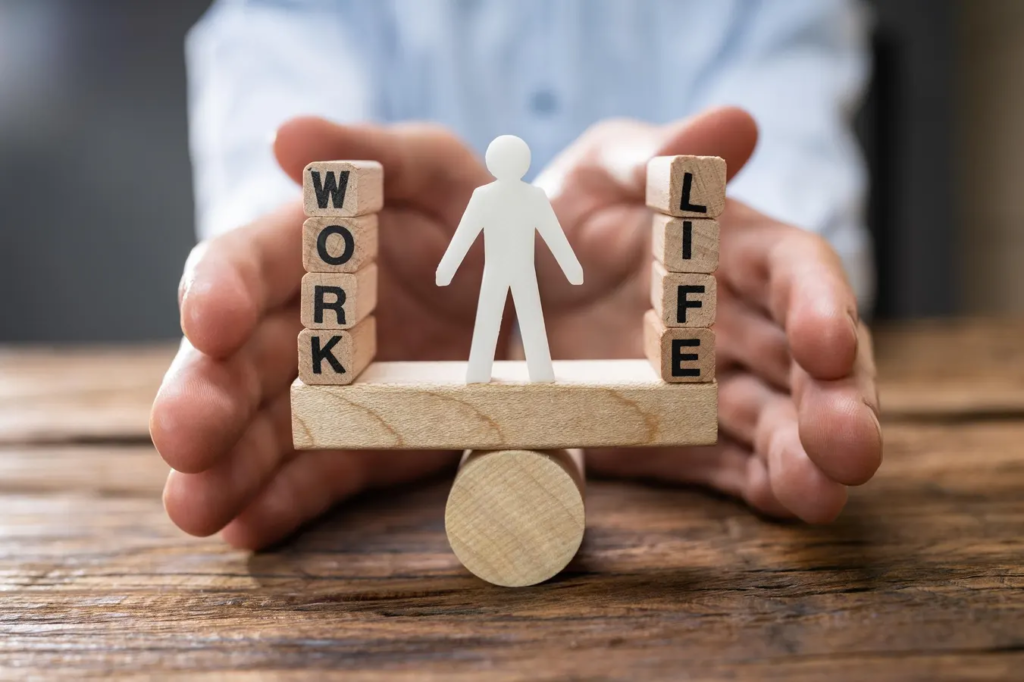
A balanced life is often misunderstood as a perfectly equal division of time between work, relationships, and personal interests. In reality, balance is about alignment rather than equality. It means structuring your life in a way that reflects your priorities while maintaining your mental, emotional, and physical well-being. Research in psychology defines work-life balance as an individual’s perception of how well different life roles coexist without causing stress or conflict. This makes balance deeply personal, shaped by individual values, goals, and circumstances.
At the same time, fearless inner strength is not about the absence of fear. It is about the ability to face uncertainty, pressure, and challenges with stability and confidence. When balance and inner strength come together, they create a foundation for a life that is not only successful but also sustainable and meaningful.
The Meaning of a Balanced Life
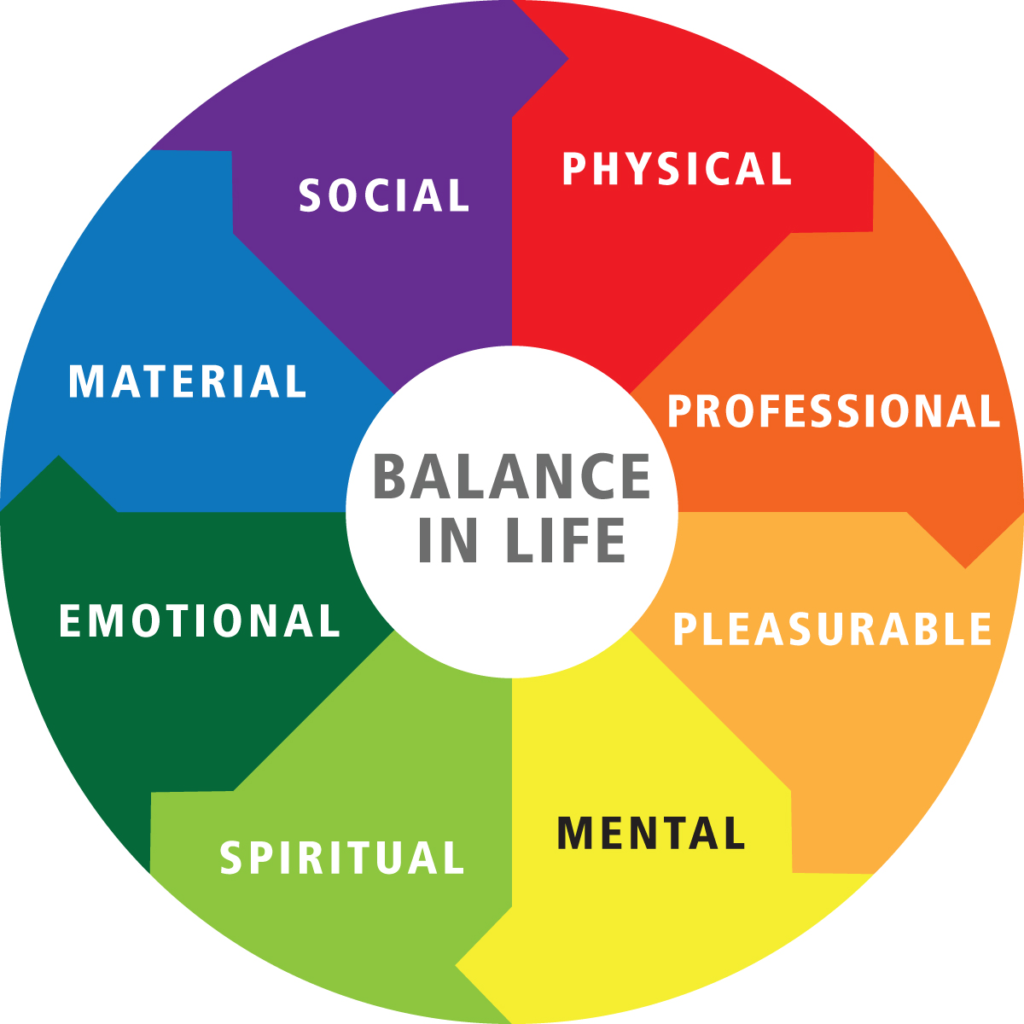
A balanced life is about creating harmony between different aspects of life rather than striving for perfection. It involves managing responsibilities in a way that does not lead to constant stress or emotional exhaustion. Studies have shown that individuals who perceive their lives as balanced experience higher levels of satisfaction and well-being.
A balanced life is about creating harmony between different aspects of life rather than striving for perfection. It involves managing responsibilities in a way that does not lead to constant stress or emotional exhaustion. Studies have shown that individuals who perceive their lives as balanced experience higher levels of satisfaction and well-being.
Why Balance Is Essential
Balance plays a critical role in overall well-being. Scientific research consistently shows that individuals who maintain a healthy balance between work and personal life experience lower stress levels and better mental health. When people have time to rest and engage in meaningful activities outside of work, they are more likely to feel satisfied and fulfilled.
A balanced lifestyle also improves productivity. Contrary to the belief that longer working hours lead to better results, studies suggest that overworking often reduces efficiency. When the mind is given time to recover, it performs better, leading to improved focus and creativity. This demonstrates that balance is not a barrier to success but a key contributor to it.
Understanding Fearless Inner Strength

Fearless inner strength is rooted in resilience, emotional intelligence, and self-awareness. It is the ability to remain steady and composed even in challenging situations. Rather than avoiding fear, individuals with inner strength acknowledge it and move forward despite it.
Psychological research describes resilience as the capacity to adapt successfully to adversity. This means that strong individuals are not those who never face difficulties, but those who learn how to navigate them effectively. Inner strength allows a person to maintain clarity and control, even when circumstances are uncertain.
How Balance Supports Inner Strength
A balanced life creates the conditions necessary for inner strength to develop. When life is chaotic and overwhelming, the mind remains in a constant state of stress. This makes it difficult to think clearly or respond effectively to challenges.
On the other hand, balance provides mental clarity and emotional stability. When individuals are not constantly overwhelmed, they can process their experiences more effectively and learn from them. This process strengthens resilience and builds confidence over time. In this way, balance becomes the foundation upon which inner strength is built.
The Impact of Imbalance
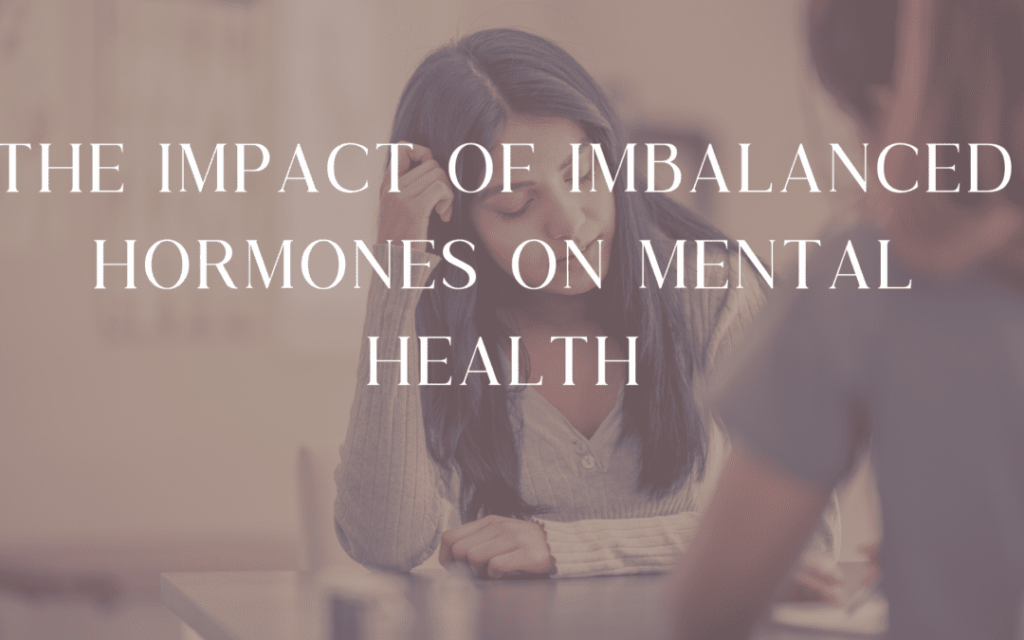
An imbalanced life can have serious consequences. Chronic stress, burnout, and emotional fatigue are common outcomes of prolonged imbalance. Research has linked poor work-life balance to increased anxiety, reduced productivity, and lower life satisfaction.
Over time, this imbalance can weaken a person’s ability to cope with challenges. When the mind is constantly under pressure, it becomes more reactive and less capable of thoughtful decision-making. This highlights the importance of maintaining balance not only for well-being but also for resilience.
Barriers to Living a Balanced Life
Achieving balance is not always easy. One of the biggest challenges is the culture of overwork, where long hours are often seen as a sign of dedication and success. This mindset can make it difficult for individuals to prioritize rest and personal time.
Another major barrier is constant digital connectivity. With smartphones and online platforms, work can easily extend into personal life. This blurs boundaries and makes it harder to disconnect and recharge.
Internal pressures also play a significant role. Many individuals struggle with perfectionism and unrealistic expectations, which can lead to stress and dissatisfaction. These internal challenges often make balance harder to achieve than external factors.
Creating a Balanced Lifestyle

Building a balanced life requires conscious effort and consistent habits. It begins with identifying what truly matters and aligning daily actions with those priorities. This may involve setting boundaries, such as limiting work hours or dedicating time to personal activities.
Mindfulness is another important factor. Being present in the moment helps reduce stress and improves overall satisfaction. When individuals focus fully on what they are doing, whether it is work or relaxation, they experience greater clarity and emotional stability.
Taking regular breaks and maintaining healthy routines also contribute to balance. Small actions, when practiced consistently, can create significant changes over time.
Developing Fearless Inner Strength
Inner strength grows through experience and intentional practice. Facing challenges rather than avoiding them is one of the most effective ways to build resilience. Each challenge overcome strengthens confidence and reinforces the ability to handle future difficulties.
Self-awareness is equally important. Understanding one’s emotions and reactions allows for better control and decision-making. This awareness helps individuals respond thoughtfully rather than react impulsively.
Consistency and discipline also play a key role. Maintaining positive habits and staying committed to personal growth builds a strong foundation for resilience. Over time, these habits create a sense of stability and control.
The Connection to Long-Term Success

Balance and inner strength are essential for sustainable success. While short-term achievements may come from intense effort, long-term success requires consistency and well-being. Without balance, success can lead to burnout and dissatisfaction.
Research shows that individuals and organizations that prioritize balance tend to perform better over time. This is because well-being supports productivity, creativity, and motivation. When people feel stable and fulfilled, they are more capable of achieving their goals.
Redefining Strength
Traditional views of strength often emphasize endurance and the ability to push through difficulties without rest. However, modern perspectives suggest a different definition. True strength lies in maintaining stability, making thoughtful decisions, and prioritizing well-being.
It involves knowing when to push forward and when to pause. It is about staying grounded in the face of pressure and maintaining clarity in uncertain situations. This form of strength is quiet but powerful, rooted in balance and self-awareness.
FAQs
1. What does a balanced life really mean?
A balanced life means managing different areas of life—such as work, health, relationships, and personal growth—in a way that does not create constant stress or conflict. It is not about equal time for everything, but about alignment with your priorities and values.
2. Why is maintaining balance important for mental health?
Maintaining balance helps reduce stress, prevent burnout, and improve emotional stability. Research shows that people with better work-life balance experience lower anxiety levels and higher overall life satisfaction.
3. What is fearless inner strength?
Fearless inner strength is the ability to face challenges, uncertainty, and fear with confidence and stability. It does not mean the absence of fear, but the courage to act despite it
4. How are balance and inner strength connected?
Balance creates mental clarity and emotional stability, which are essential for building resilience. When life is balanced, individuals are better able to handle stress and develop inner strength over time.
5. What are the signs of an unbalanced life?
Common signs include constant stress, fatigue, lack of time for personal life, reduced productivity, and emotional exhaustion. Feeling overwhelmed most of the time is a strong indicator of imbalance.

Lost Today, Powerful Tomorrow: Find Purpose
The Silent Chaos: When Life Feels Directionless Feeling lost in life is often misunderstood as…

Rise and Shine: Build a Powerful Routine
Why Your Morning Matters The way you begin your morning plays a crucial role in…

Healthy Eating Made Easy: Simple Daily Habits
Healthy eating is one of the most important foundations of a good lifestyle. It is…

The New Internet Era: What You Need to Know Today
A New Phase of the Internet The internet is no longer what it used to…

Trending Now: Startup Stories Everyone Is Talking About
Why Startup Stories Are Trending Startup stories today are not just business news—they are becoming…

The Rise of New Music Icons
A New Era of Music Icons The music industry is evolving faster than ever before….