

Living your best life is not just a popular phrase—it reflects a scientifically supported approach to achieving long-term health, happiness, and overall well-being. Modern research in public health and lifestyle medicine shows that daily habits such as balanced nutrition, consistent physical activity, adequate sleep, and stress management play a major role in determining both the quality and length of life. According to research published by institutions like the Harvard T.H. Chan School of Public Health, adopting healthy lifestyle practices can significantly reduce the risk of chronic diseases and increase life expectancy.
In today’s fast-moving world, many people focus only on short-term success while neglecting their health. However, true success lies in maintaining a balance between physical fitness, mental stability, and emotional well-being. Living your best life means making intentional choices every day that support your body and mind, rather than relying on temporary solutions or extreme changes.
Understanding a Healthy Lifestyle

A healthy lifestyle is not defined by a single habit or routine; instead, it is a combination of multiple factors working together over time. These include eating nutritious foods, staying physically active, managing stress effectively, and maintaining meaningful social connections. Research consistently shows that people who follow these habits tend to experience fewer health problems and better overall life satisfaction.
It is also important to understand that health is highly individual. What works for one person may not work for another, depending on factors such as age, environment, and personal goals. Therefore, the key to living your best life is not copying someone else’s routine but building a lifestyle that is sustainable and suitable for you.
The Role of Nutrition in Living Your Best Life
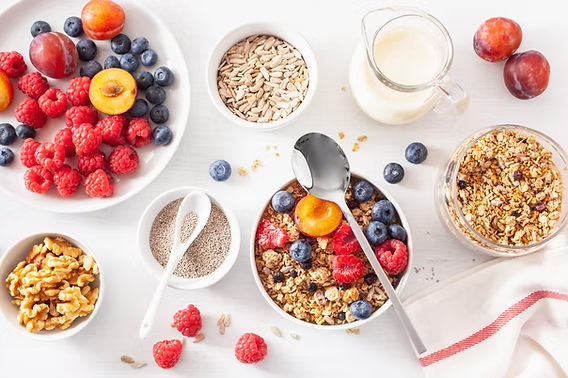
Nutrition plays a foundational role in maintaining health and preventing disease. Scientific studies have shown that diets rich in fruits, vegetables, whole grains, lean proteins, and healthy fats can significantly reduce the risk of conditions such as heart disease, diabetes, and obesity. These foods provide essential nutrients, vitamins, minerals, and antioxidants that support the body’s natural functions.
On the other hand, excessive consumption of ultra-processed foods, refined sugars, and unhealthy fats has been linked to increased health risks. Research published in journals such as The Lancet highlights that poor diet is one of the leading causes of premature death worldwide. Therefore, making conscious food choices is one of the most effective ways to improve overall health.
Rather than following restrictive diets, experts recommend focusing on balance and moderation. A sustainable eating pattern that includes a variety of whole foods is more effective in the long term than extreme dieting. Hydration is also a critical component of nutrition, as water supports digestion, circulation, and temperature regulation.
Importance of Physical Activity

Physical activity is another essential pillar of a healthy lifestyle. According to the World Health Organization (WHO), adults should engage in at least 150 minutes of moderate-intensity physical activity per week. Regular exercise has been shown to reduce the risk of more than 25 chronic diseases, including cardiovascular disease, hypertension, and certain types of cancer.
Exercise not only improves physical health but also has a strong impact on mental well-being. Physical activity stimulates the release of endorphins, which help reduce stress and improve mood. Studies have also found that individuals who exercise regularly are less likely to experience symptoms of depression and anxiety.
It is important to note that exercise does not have to be intense or time-consuming to be effective. Even simple activities such as walking, cycling, or stretching can provide significant health benefits when done consistently. The key is to find activities that you enjoy, as this increases the likelihood of maintaining the habit over time.
Mental Health and Emotional Well-being
Mental health is a critical component of living your best life, yet it is often overlooked. Research in psychology and neuroscience has shown that chronic stress can negatively affect both mental and physical health, contributing to issues such as anxiety, depression, and weakened immune function.
Managing stress effectively is essential for maintaining overall well-being. Practices such as mindfulness meditation, deep breathing exercises, and spending time in nature have been shown to reduce stress levels and improve emotional stability. Additionally, maintaining strong social connections can provide emotional support and enhance life satisfaction.
It is also important to recognize the role of self-awareness and self-care. Taking time to understand your emotions, setting boundaries, and prioritizing your mental health can significantly improve your quality of life.
The Importance of Sleep and Recovery

Sleep is a fundamental aspect of health that directly impacts physical performance, mental clarity, and emotional stability. Research indicates that adults should aim for 7–9 hours of quality sleep per night. Poor sleep has been linked to an increased risk of chronic conditions such as obesity, diabetes, and cardiovascular disease.
During sleep, the body undergoes essential processes such as tissue repair, memory consolidation, and hormone regulation. Without adequate rest, these processes are disrupted, leading to decreased performance and overall health.
Establishing a consistent sleep routine, reducing screen time before bed, and creating a comfortable sleep environment can significantly improve sleep quality. Prioritizing rest is not a luxury but a necessity for long-term health and well-being.
Healthy Lifestyle Components Overview
Below is a simple table summarizing the key components of a healthy lifestyle and their benefits:
| Lifestyle Component | Key Benefits |
|---|---|
| Balanced Nutrition | Supports immunity, reduces disease risk |
| Physical Activity | Improves heart health, boosts mood |
| Mental Well-being | Reduces stress, improves emotional health |
| Quality Sleep | Enhances recovery, improves brain function |
| Hydration | Supports body functions and energy levels |
| Social Connections | Improves happiness and mental stability |
Building Sustainable Healthy Habits

One of the most important aspects of living your best life is consistency. Research shows that small, repeated actions over time have a greater impact than occasional extreme efforts. Instead of trying to change everything at once, it is more effective to start with small, manageable habits and gradually build upon them.
For example, incorporating a short daily walk, adding more vegetables to your meals, or practicing a few minutes of mindfulness each day can lead to significant improvements over time. These small changes are easier to maintain and are more likely to become permanent habits.
Sustainability also involves flexibility. Life is unpredictable, and it is important to adapt your routine when necessary rather than abandoning it altogether. A balanced approach that allows for occasional indulgences and rest days is more realistic and effective in the long term.
Common Challenges and How to Overcome Them
Many people struggle to maintain a healthy lifestyle due to factors such as lack of time, motivation, or knowledge. However, understanding these challenges can help in developing strategies to overcome them.
Time constraints can be managed by incorporating physical activity into daily routines, such as taking the stairs or walking during breaks. Lack of motivation can be addressed by setting realistic goals and tracking progress. Education and awareness also play a crucial role, as understanding the benefits of healthy habits can encourage consistent behavior.
It is important to remember that setbacks are a normal part of the process. Rather than viewing them as failures, they should be seen as opportunities to learn and improve.
Conclusion
Living your best life is a continuous journey that involves making conscious decisions to support your health and well-being. Scientific evidence clearly demonstrates that a combination of balanced nutrition, regular physical activity, mental health care, and adequate sleep can significantly improve both the quality and length of life.
Instead of striving for perfection, focus on progress and consistency. Small, positive changes made daily can lead to long-term transformation. By prioritizing your health and adopting sustainable habits, you can create a lifestyle that not only enhances your well-being but also allows you to truly live your best life.
FAQs
1. What does “living your best life” mean?
Living your best life means maintaining a balance between physical health, mental well-being, and emotional stability. It involves making daily healthy choices such as eating nutritious food, staying active, managing stress, and building positive relationships.
2. How can I start living a healthy lifestyle?
You can start by making small and consistent changes like improving your diet, exercising regularly, staying hydrated, and getting enough sleep. Experts suggest focusing on gradual improvements rather than drastic changes for long-term success.
3. How much exercise do I need each week?
According to global health guidelines, adults should aim for at least 150 minutes of moderate physical activity per week. This can include walking, cycling, or any activity that keeps your body moving consistently.
4. Why is mental health important in a healthy lifestyle?
Mental health plays a crucial role in overall well-being. High stress levels can negatively impact physical health, leading to issues like fatigue, anxiety, and weakened immunity. Managing stress helps improve both mental and physical health.
5. What foods are best for a healthy lifestyle?
A healthy diet includes fruits, vegetables, whole grains, lean proteins, and healthy fats. These foods provide essential nutrients and help reduce the risk of chronic diseases.

Lost Today, Powerful Tomorrow: Find Purpose
The Silent Chaos: When Life Feels Directionless Feeling lost in life is often misunderstood as…

Rise and Shine: Build a Powerful Routine
Why Your Morning Matters The way you begin your morning plays a crucial role in…
Healthy Eating Made Easy: Simple Daily Habits
Healthy eating is one of the most important foundations of a good lifestyle. It is…
The New Internet Era: What You Need to Know Today
A New Phase of the Internet The internet is no longer what it used to…

Trending Now: Startup Stories Everyone Is Talking About
Why Startup Stories Are Trending Startup stories today are not just business news—they are becoming…

The Rise of New Music Icons
A New Era of Music Icons The music industry is evolving faster than ever before….